Benjamin Sheng

Wind Tunnel

Skills: Fusion 360, Arduino Coding (C++), Electrics(Soldering, Crimping etc..)

June 2025 - August 2025

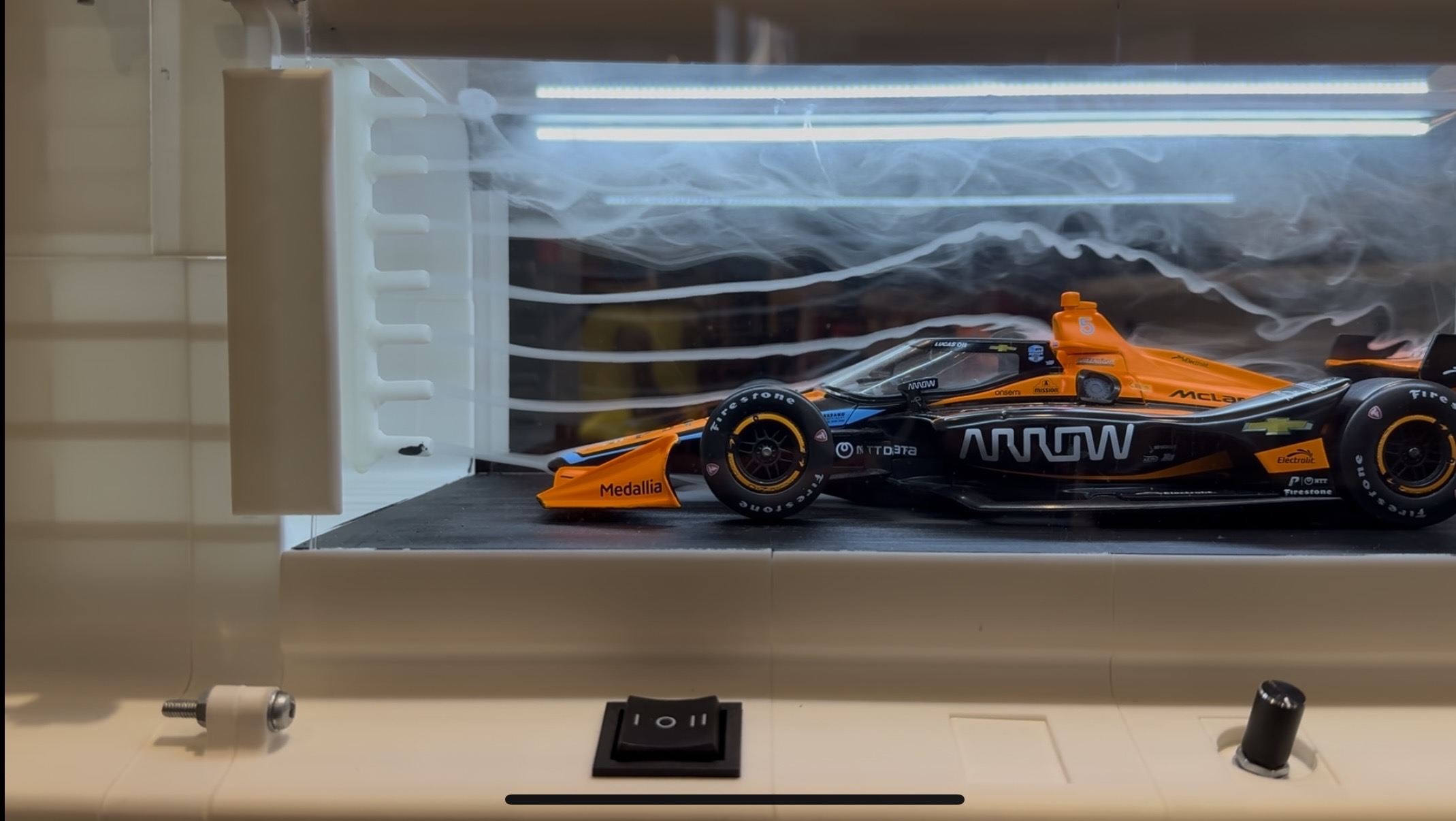
In modern Formula One, the wind tunnel is a key tool in validating designs. A windtunnel allows teams to understand how their aero surfaces may perform on the race track. Here are some targets for this project:

1. It must create airspeed up to 50kph

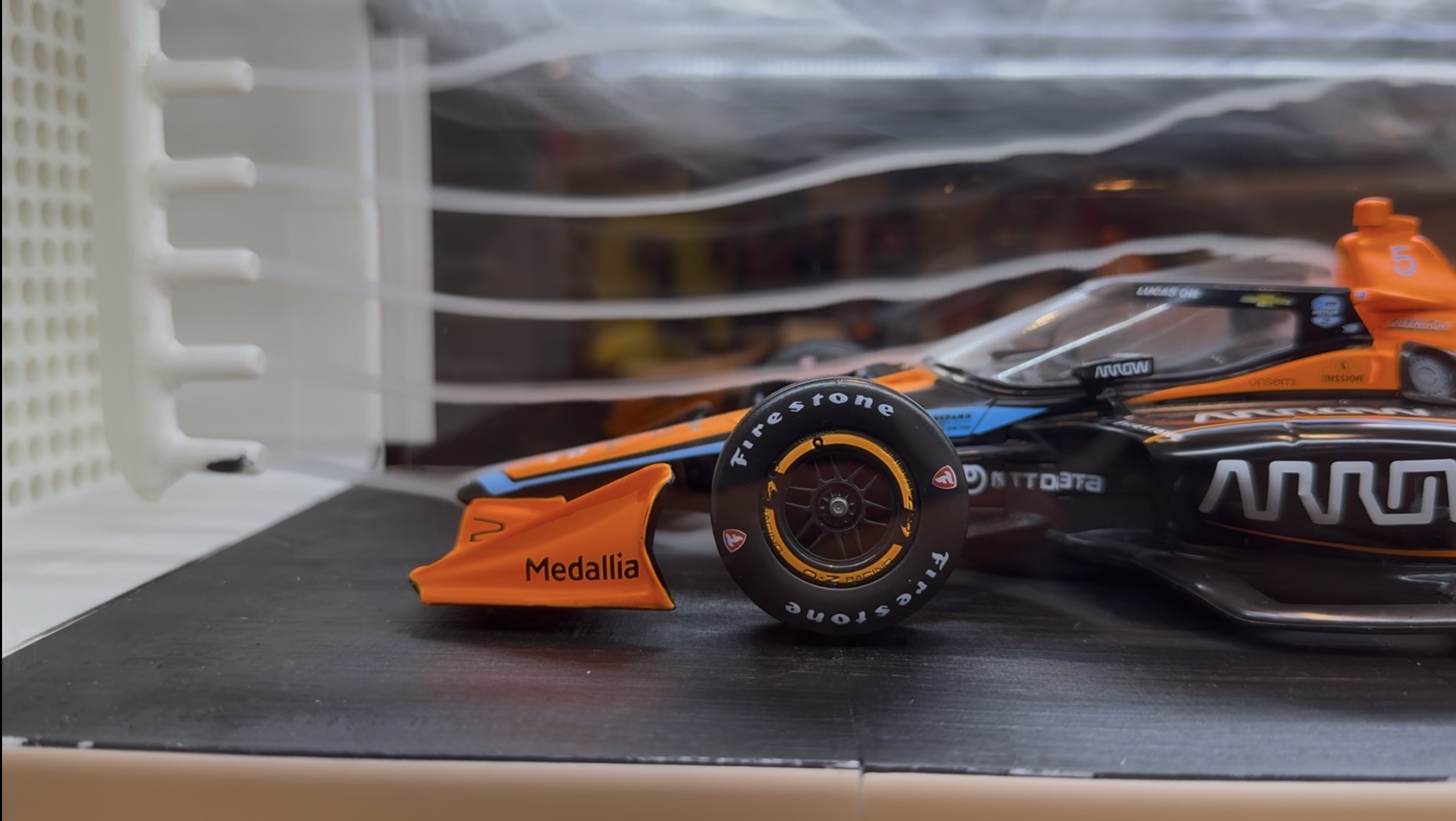
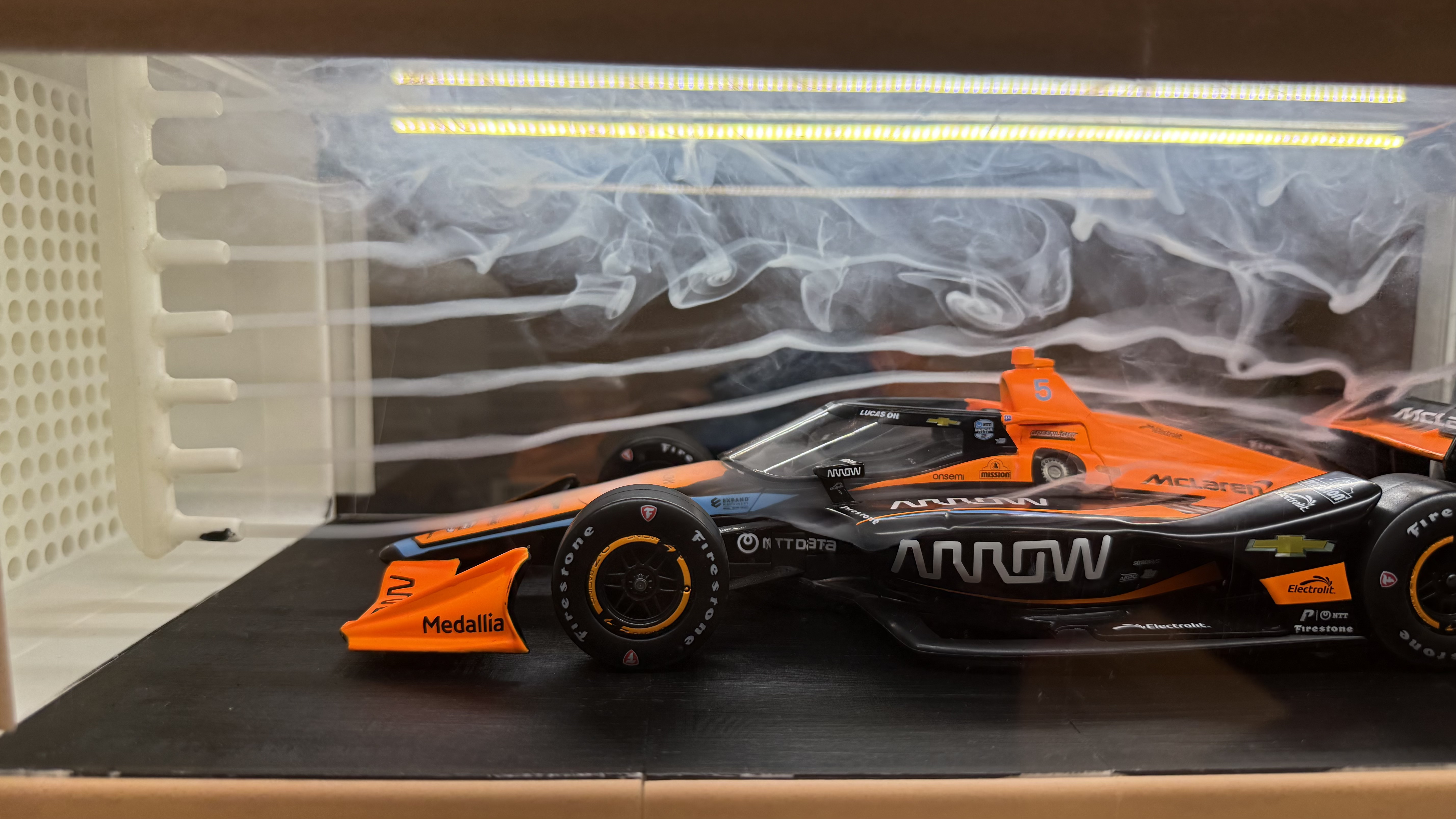
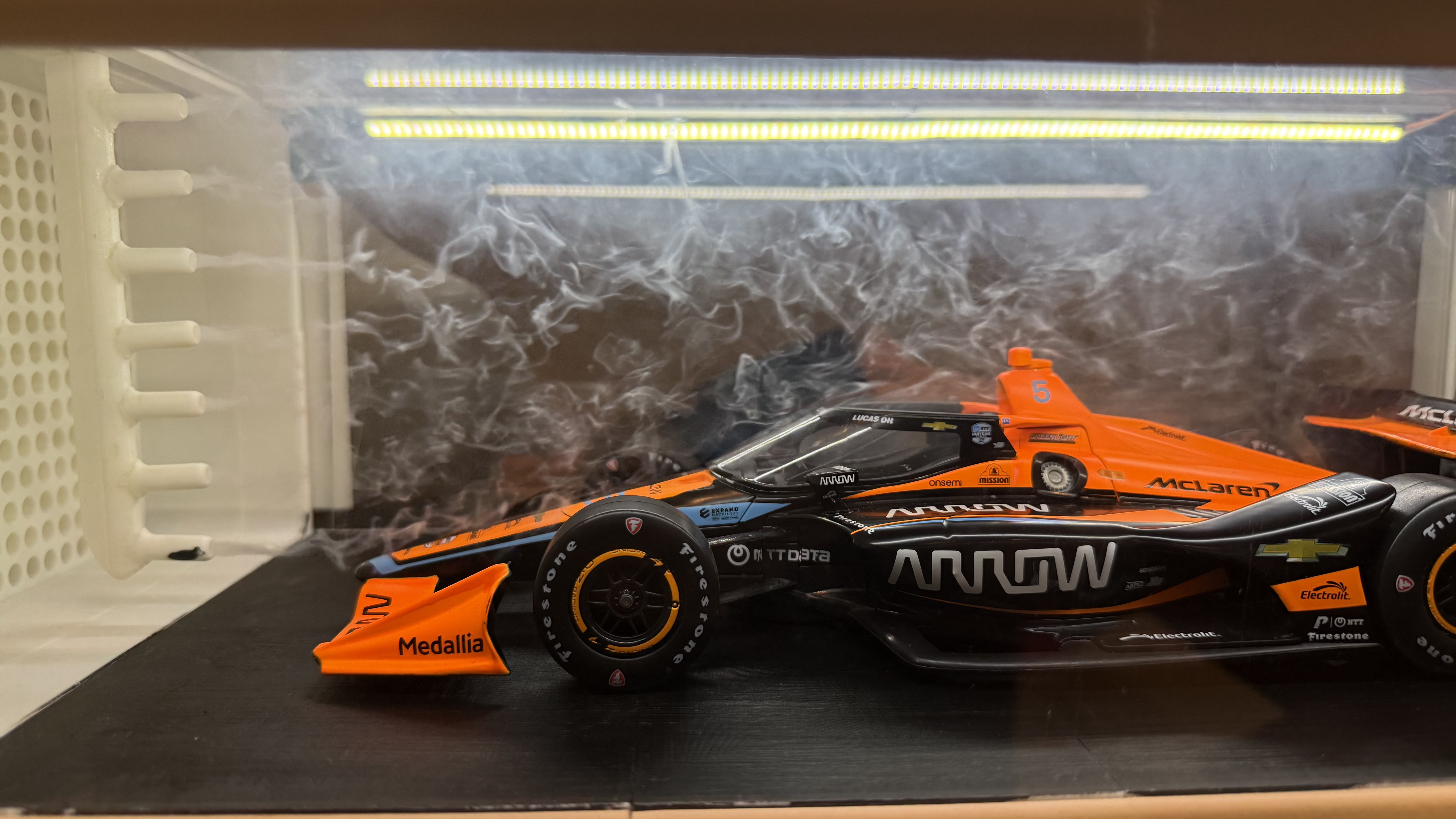
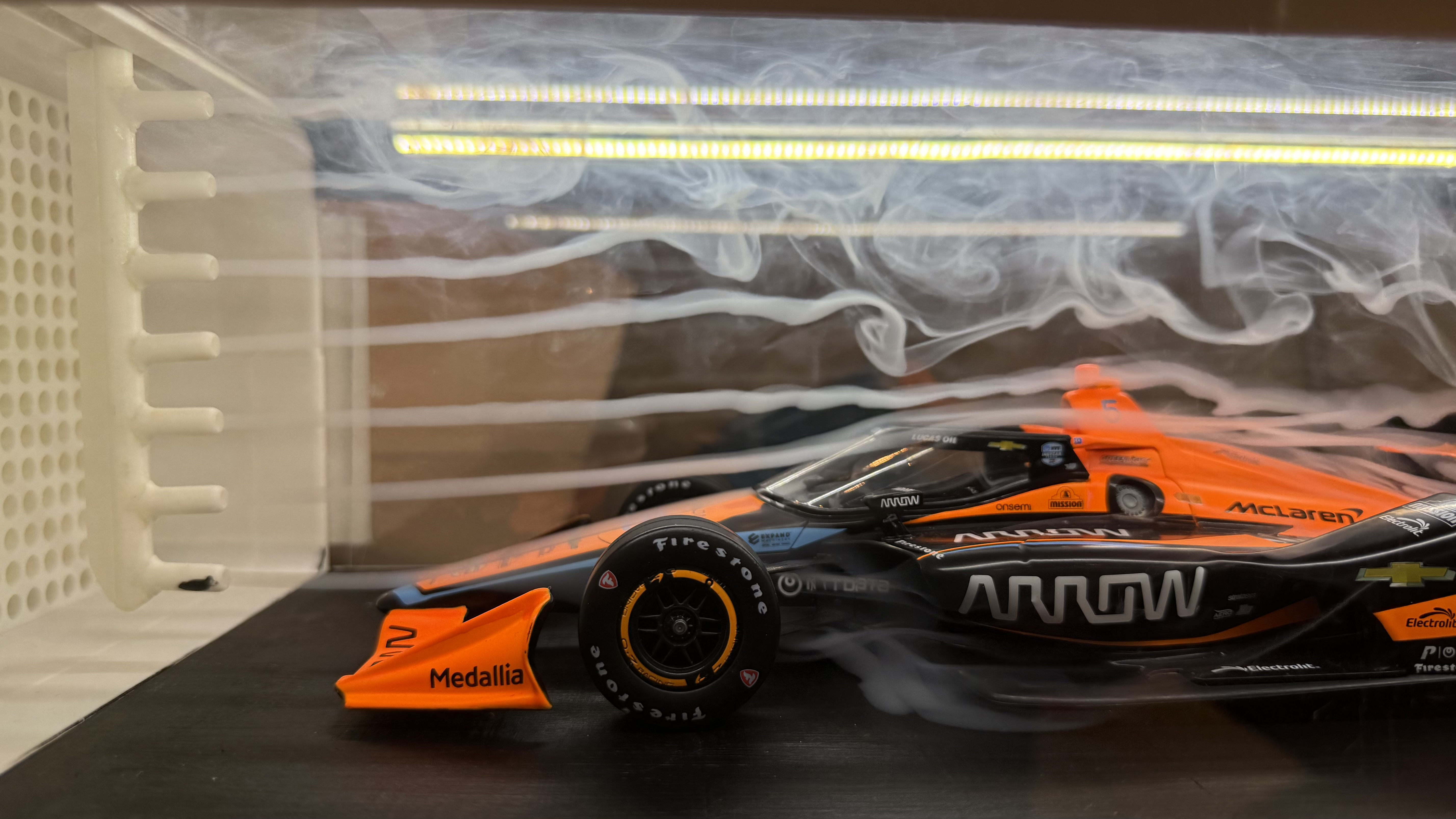
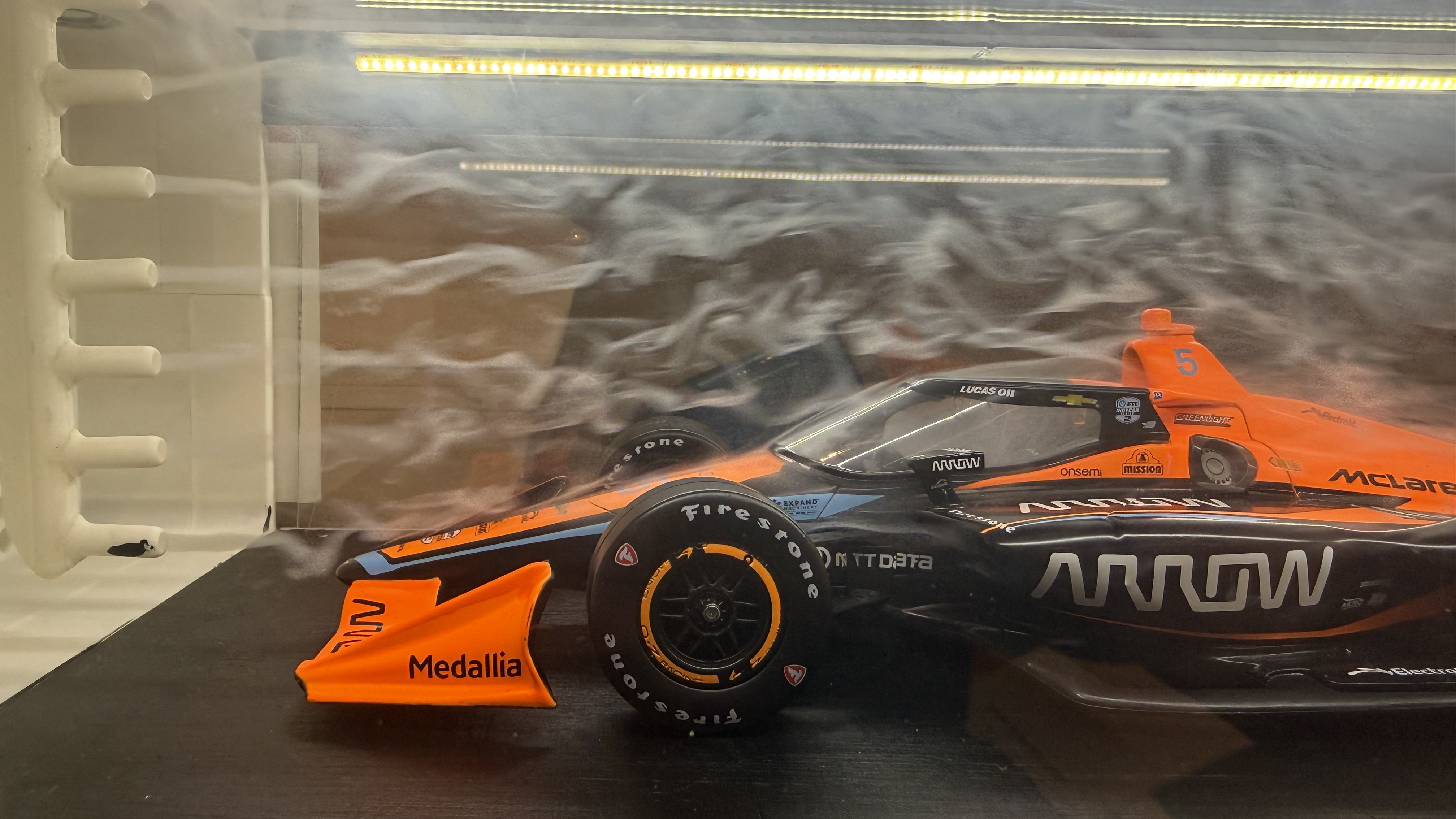
2. Display streamlines around a model

3. Must fit on a table (Reasonable Size)

intro image

Wind Tunnel Report

PDF

This page goes over a fairly basic overview of the wind tunnel and the results that came from it. However, for a deeper analysis of everything from the design process, iterations, issues and testing refer to my report titled:

"The Design Process and Qualitative Flow Analysis of a 1:18 Scale Wind Tunnel"

The report is a summation of everything I did and learned and what I would do to improve the wind tunnel in the future. Please enjoy and feel free to download it.

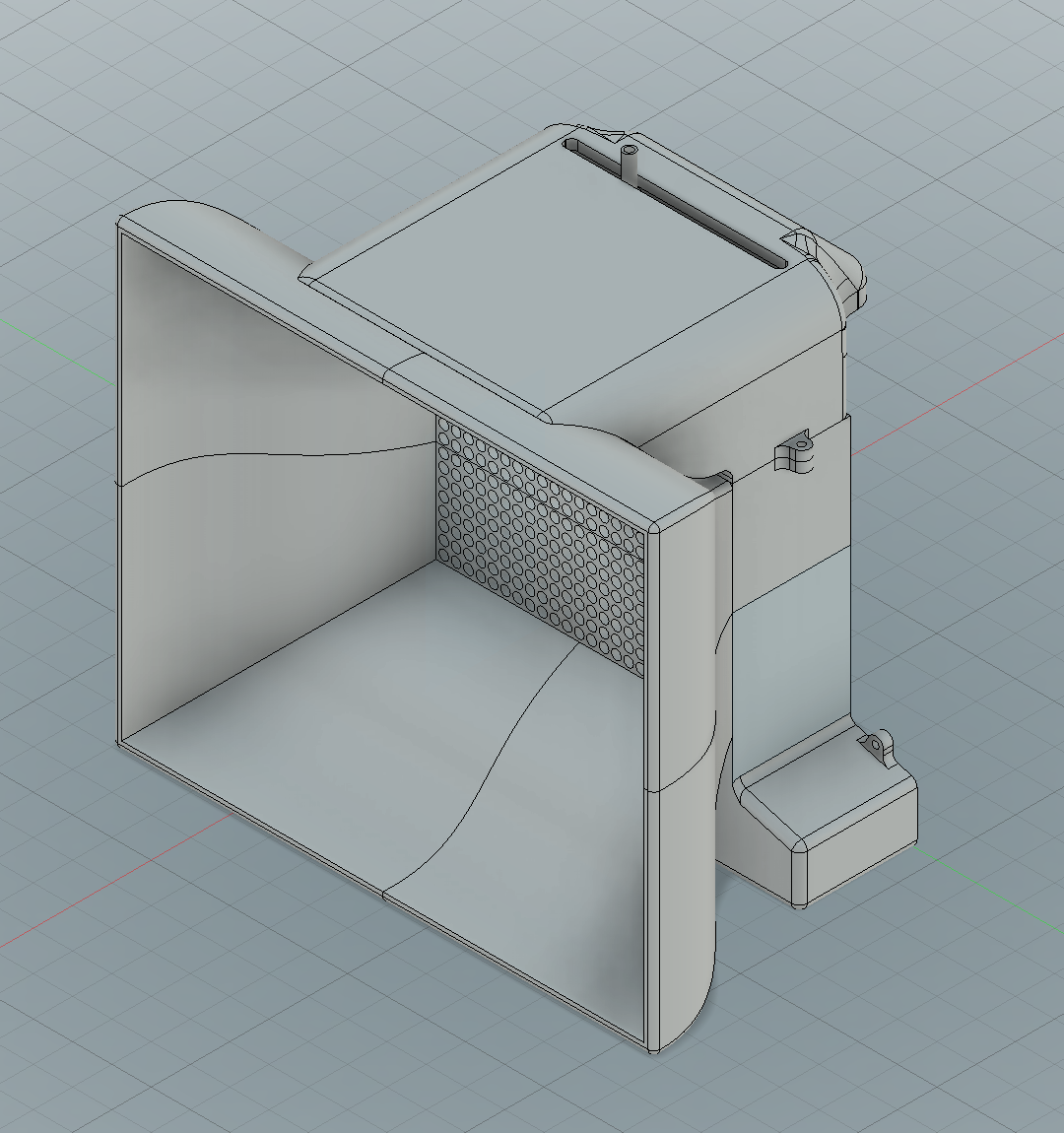
Contraction

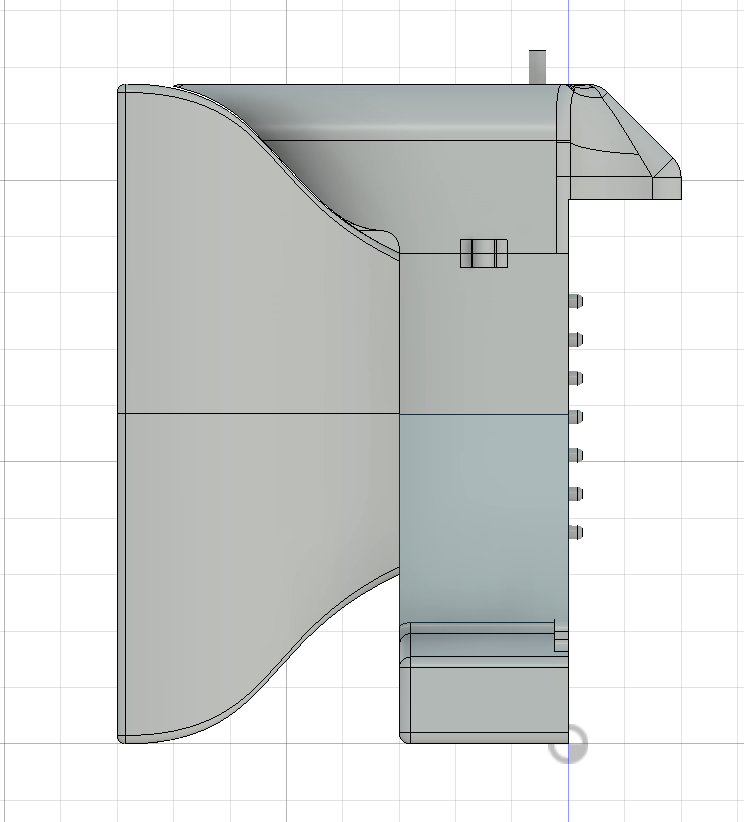
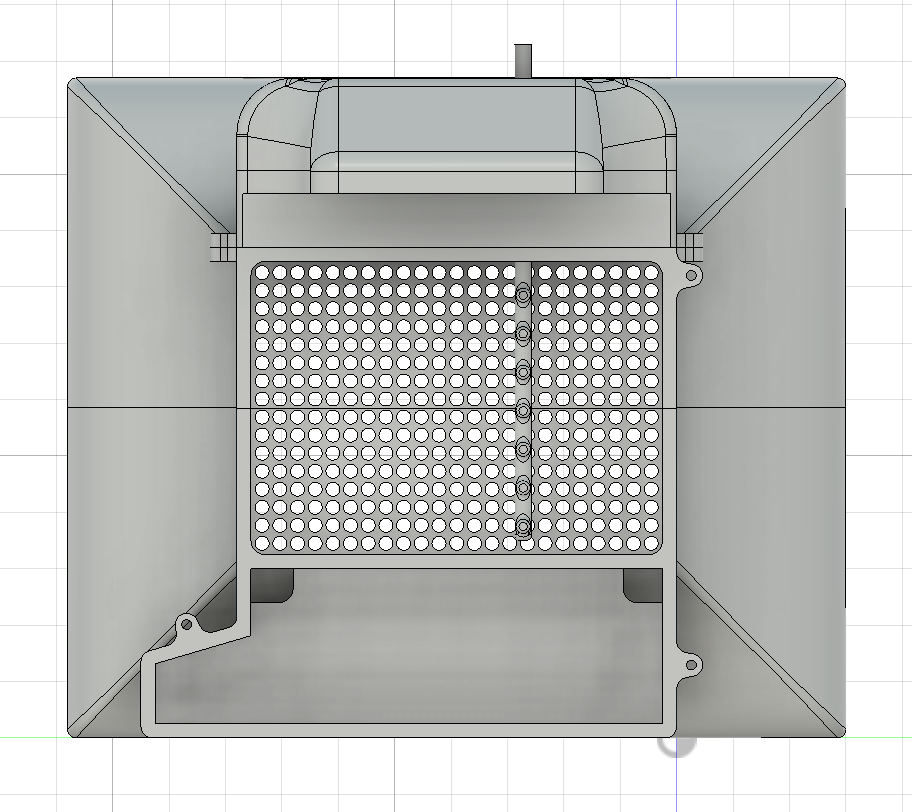
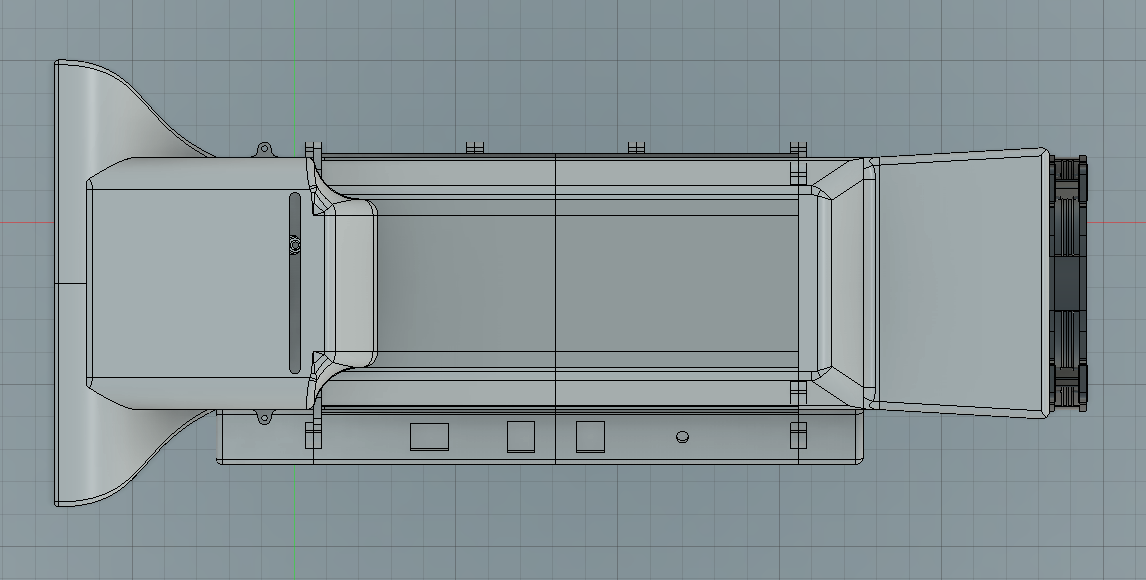
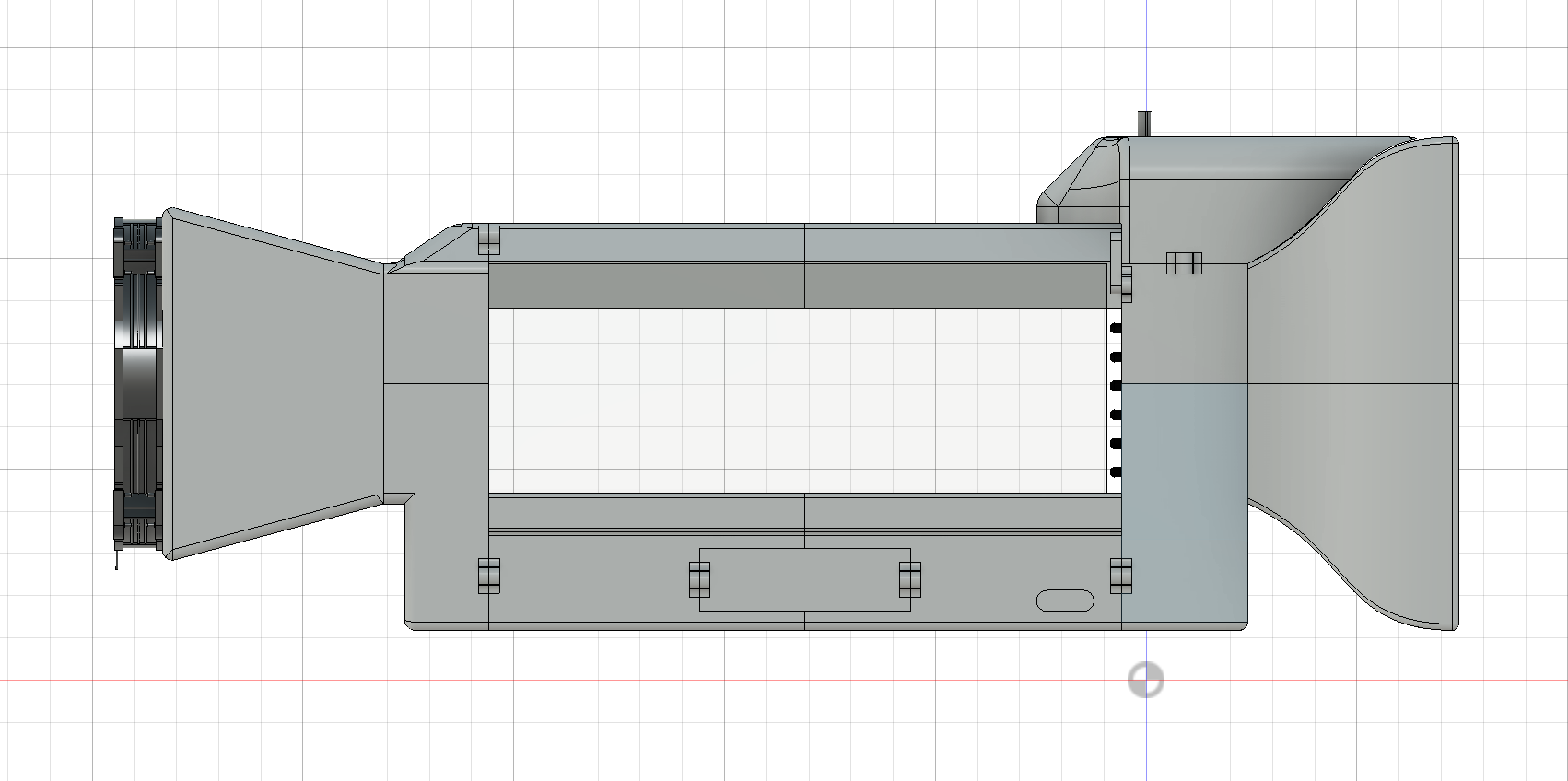
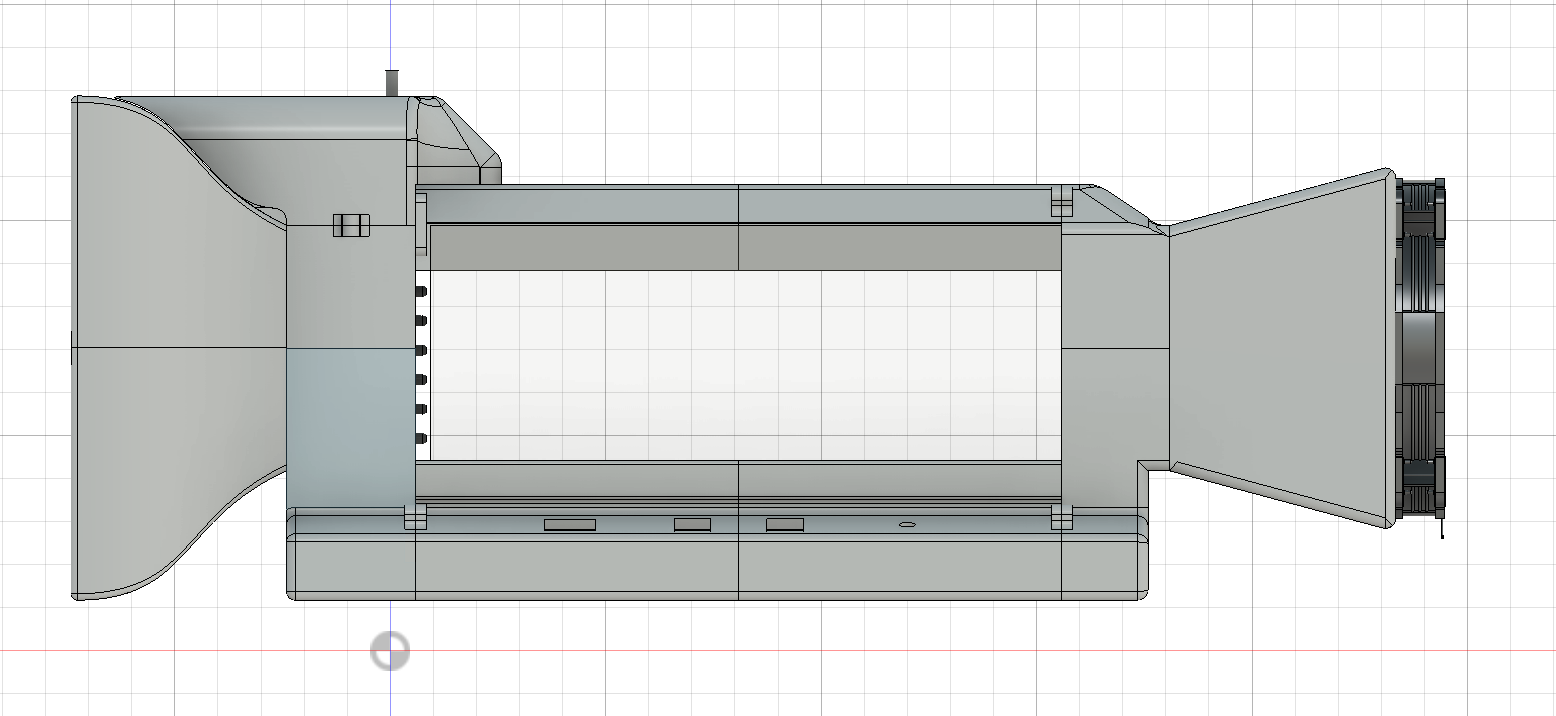
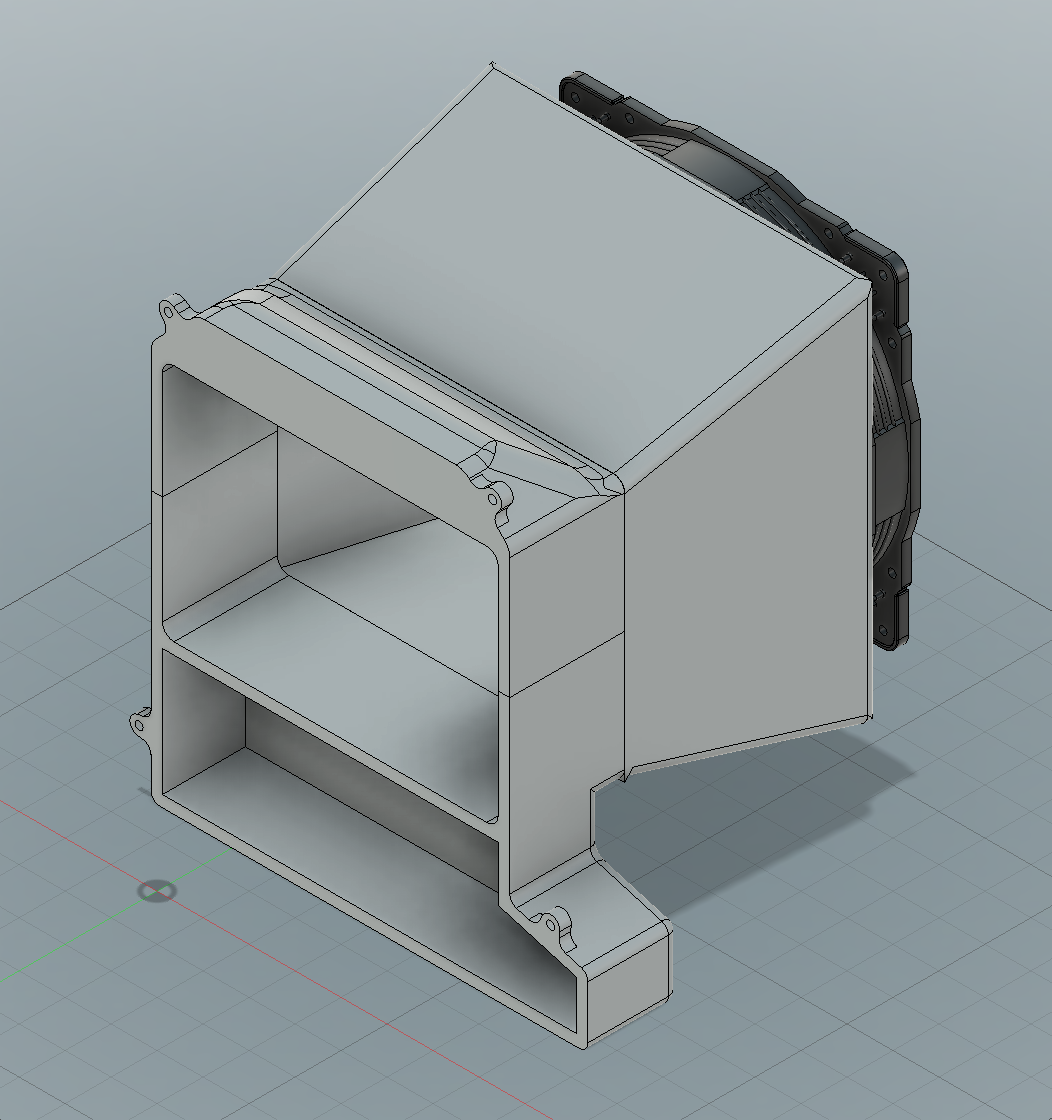
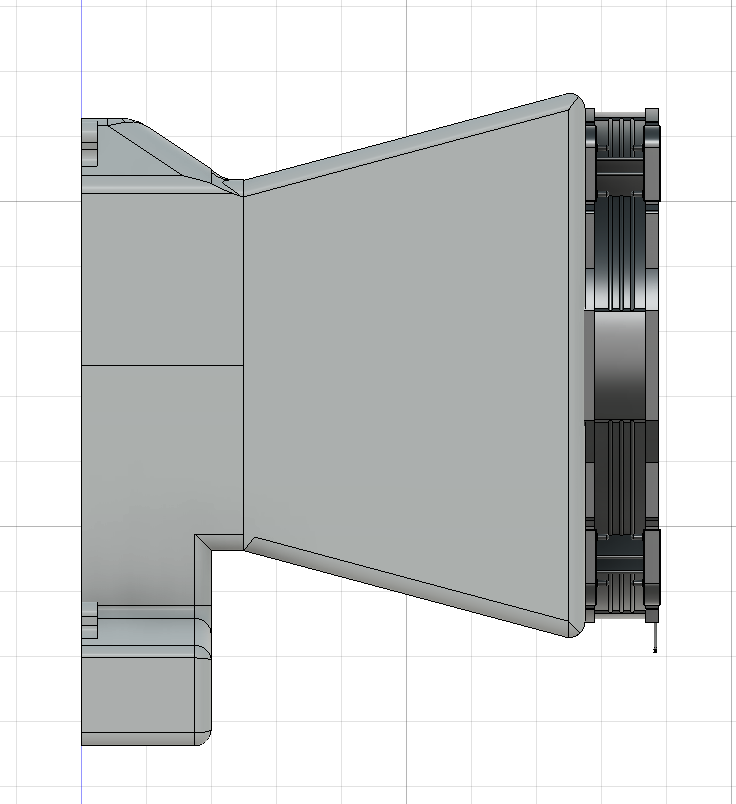
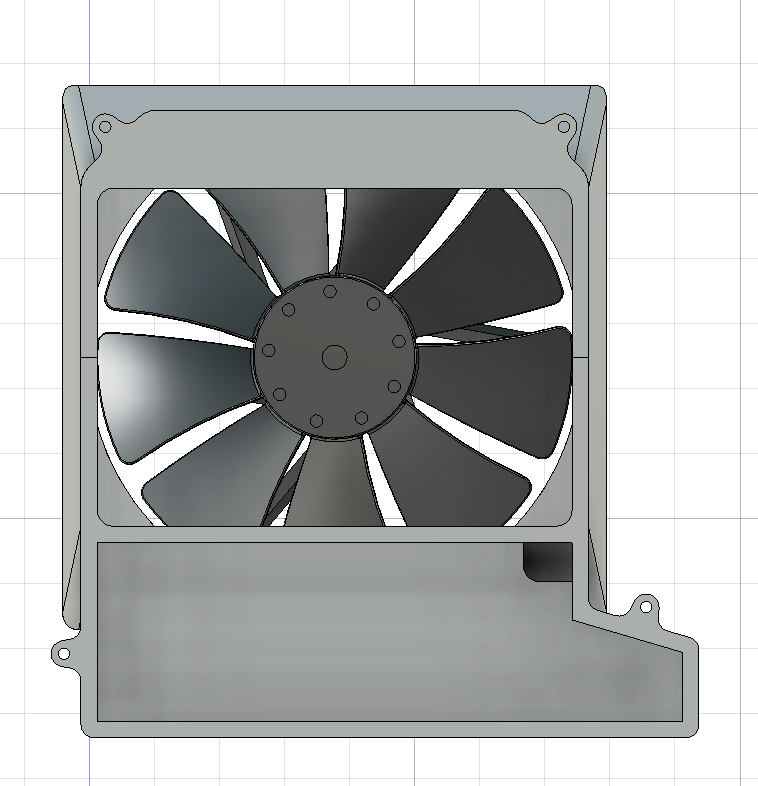
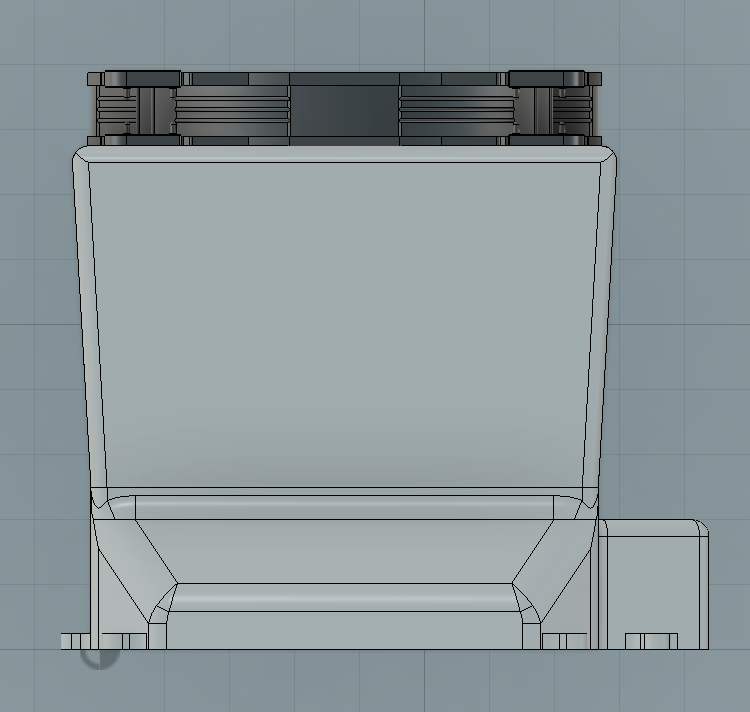
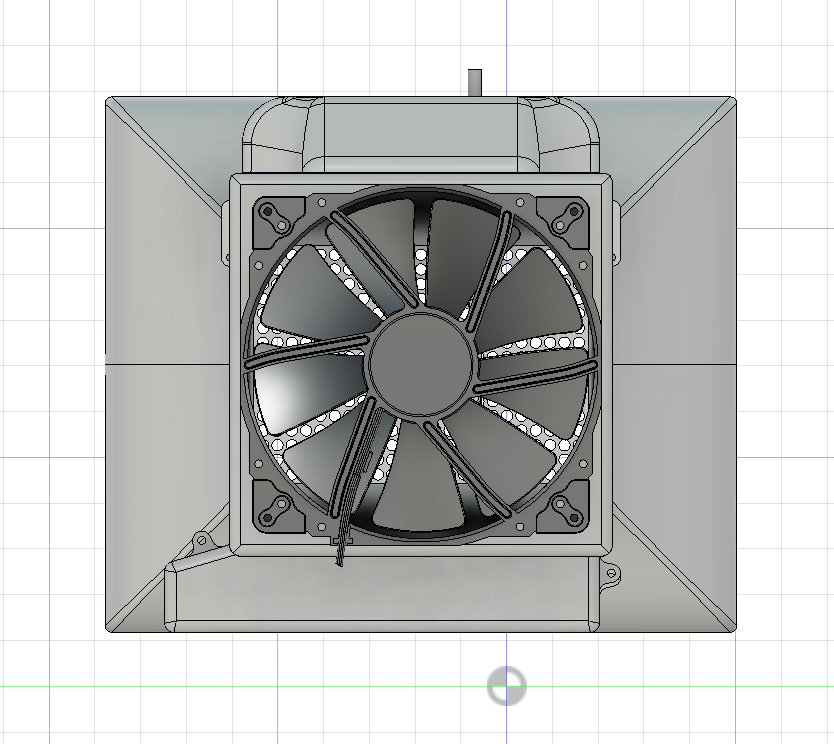
The main design feature of this sub-assembly is a cone. Its purpose is to increase the speed of air entering the chambers. The area reduction from 143 to 35 square inches, in theory (Bernoulli's Principle), increases the velocity from 8.2938 m/s (fan pulling air) to 33.9 m/s (around 122 km/h)—a four-fold increase. Due to the relatively thin depth of the cone and a non-sealed system, the actual velocity increase could be much lower.

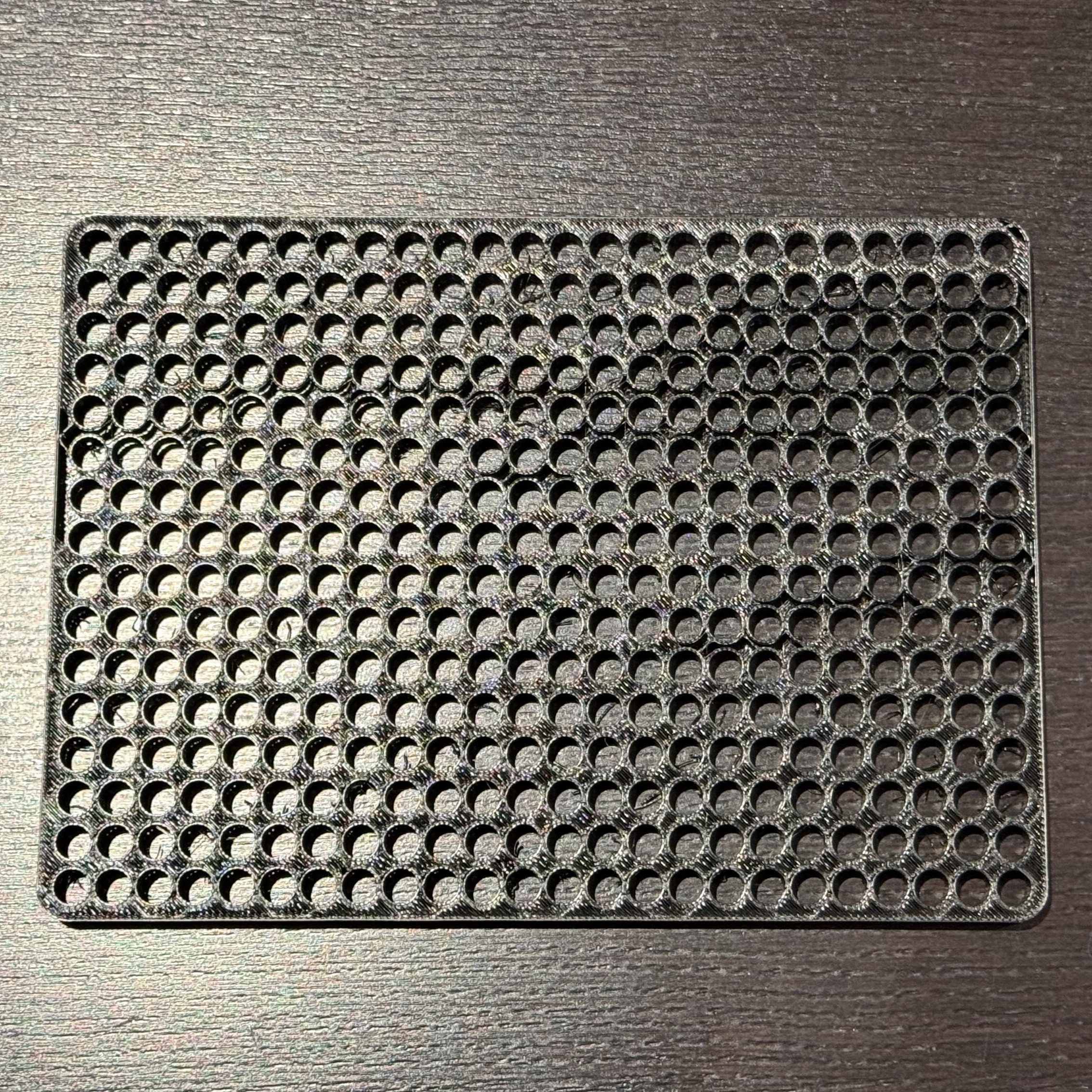
A 1-inch-thick round honeycomb was added as a second layer of the subsystem. Its purpose is to make the air entering the chamber laminate (flow smoothly), allowing for better analysis of how aerodynamic parts affect airflow.
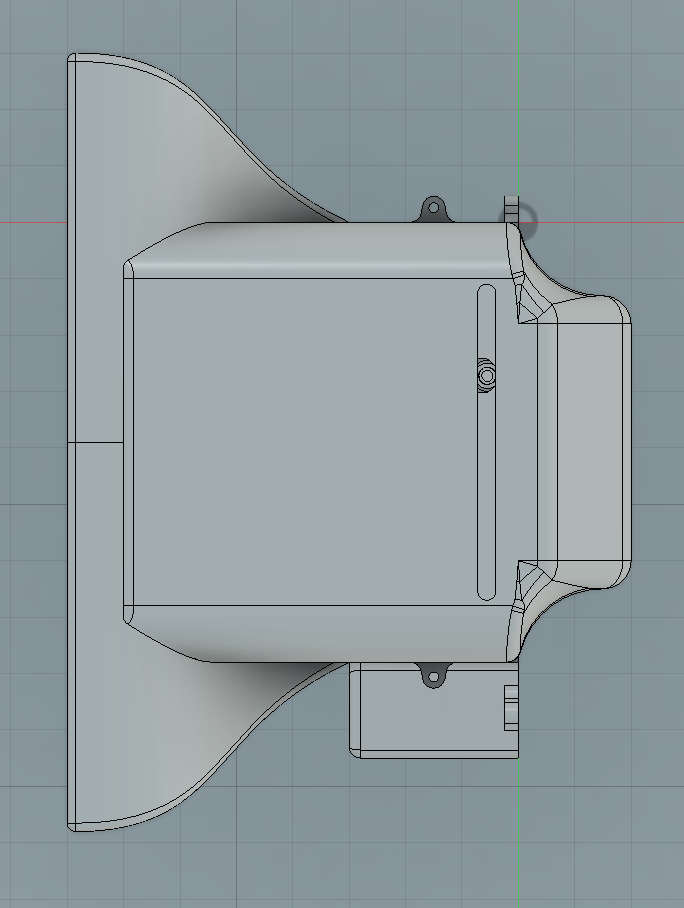
Built Rig Prototype
Contraction top view Contraction front view Contraction bottom side view Contraction isometric view
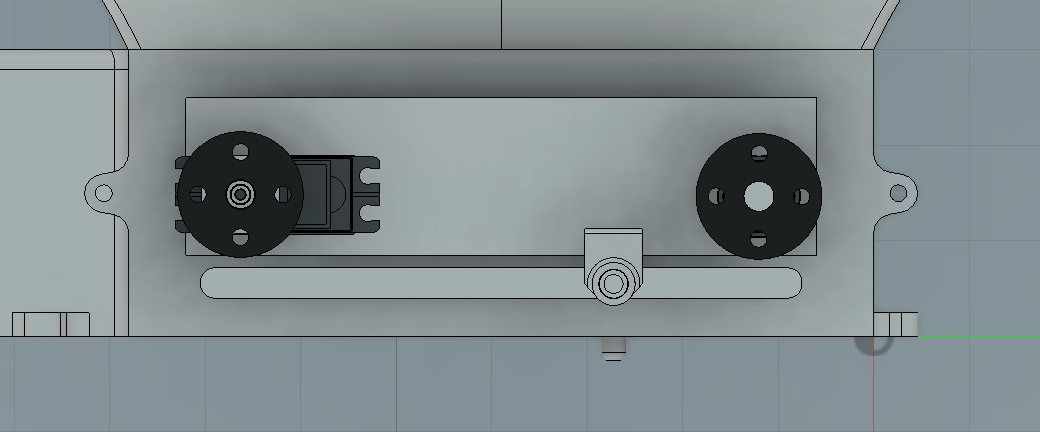
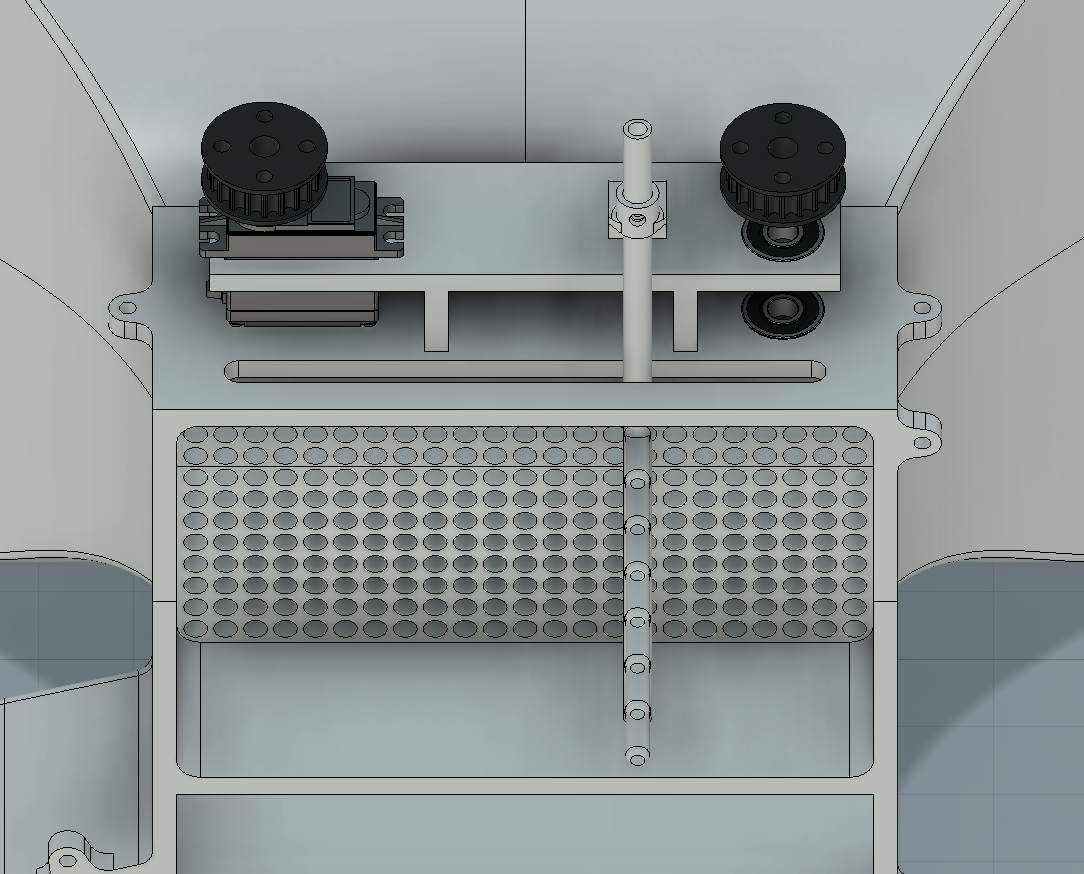
Servo mounting top view Servo mounting isometric view

Servo Mounting and Housing.

Smoke must be added to the air to visualize the airflow around a model. This subsystem within the contraction assembly is designed to do that. I've designed a long smokestack with exits spread down the tube. This will allow for an even distribution of smoke along the height of the chamber. A small smoke machine is used to pump smoke into the stack.

I wanted a way to remotely control the smokestack's position, like a proper tunnel. So, a simple servo gear system moves the smokestack along a guide rail. I use a 2000 series dual-mode servo and two custom-designed 30-tooth, 3mm HTD belt pulleys. An attachment clip on the smokestack hooks onto the timing belt and allows it to slide. A rocker switch is mounted outside the chamber to control the smokestack.

Chamber

The chamber has a testing platform 15 x 7.5 inches and 6.5 inches tall. LED lights are along the angled sides of the roof. Clear 1/8 plastic panels can slide in and out to allow access to the chamber itself. There are holes on the front for all the switches. A maintenance cover in the back allows access to the chamber's Arduino system inside (underneath the platform).

In this project I used M4 screws to attach everything together. An old version used dovetails, but this was scrapped due to its complexity.

Built Rig Prototype
Brightside Practice Plug side view Brightside Practice Plug bottom view

Contraction

The main design feature of this sub-assembly is a cone. Its purpose is to increase the speed of air entering the chambers. The area reduction from 143 to 35 square inches, in theory (Bernoulli's Principle), increases the velocity from 8.2938 m/s (fan pulling air) to 33.9 m/s (around 122 km/h)—a four-fold increase. Due to the relatively thin depth of the cone and a non-sealed system, the actual velocity increase could be much lower.

A 1-inch-thick round honeycomb was added as a second layer of the subsystem. Its purpose is to make the air entering the chamber laminate (flow smoothly), allowing for better analysis of how aerodynamic parts affect airflow.
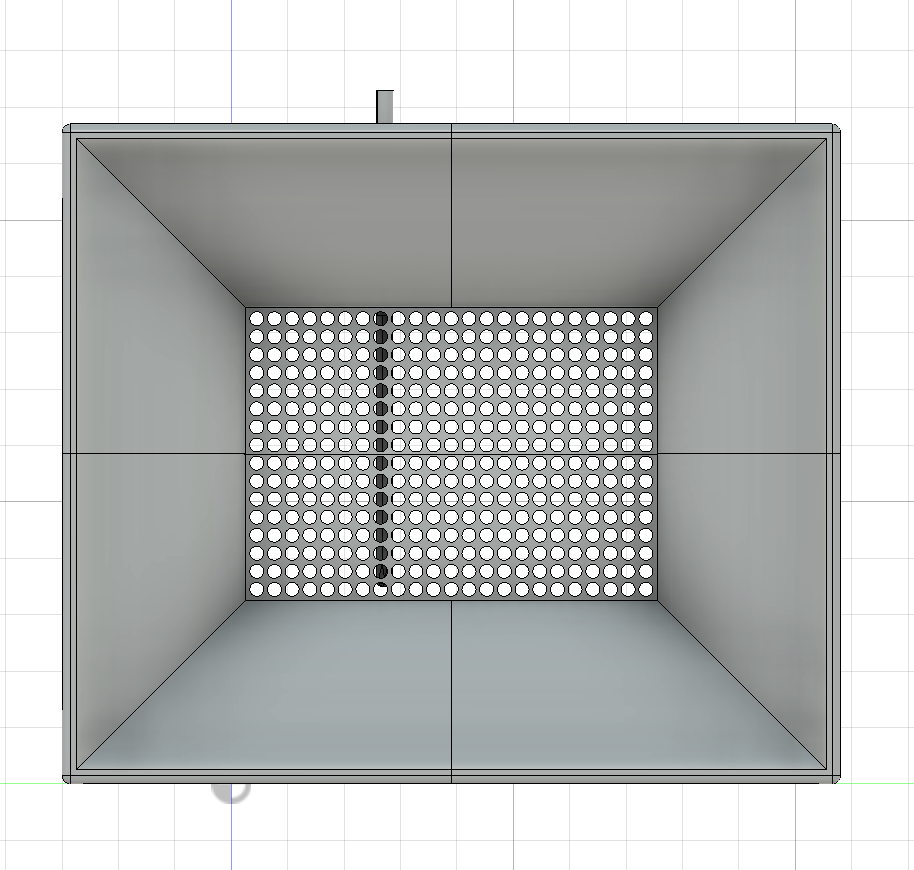
Built Rig Prototype
Diffusion side view Diffusion front view Diffusion fan top-down view Diffusion fan close top-down view

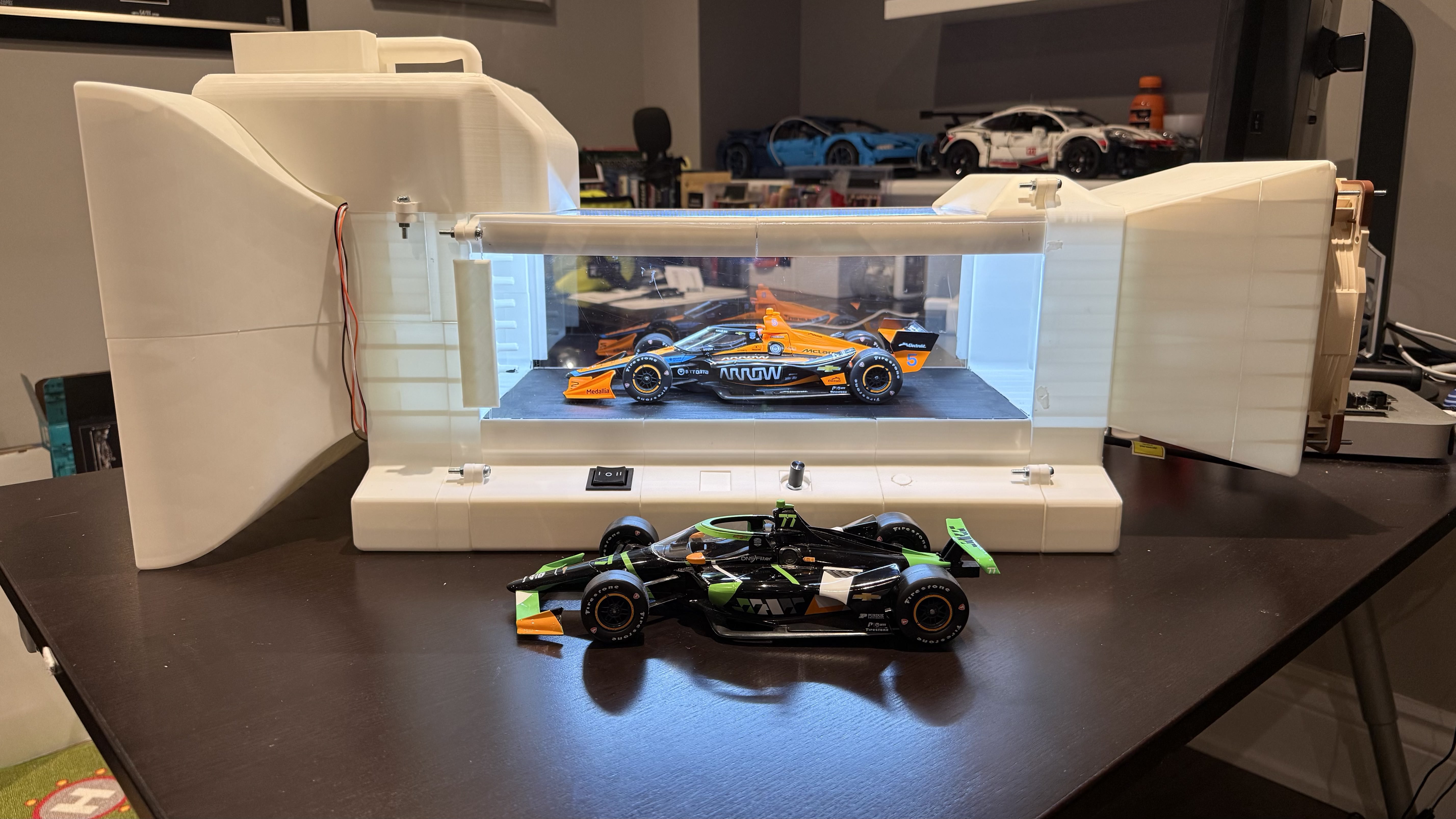
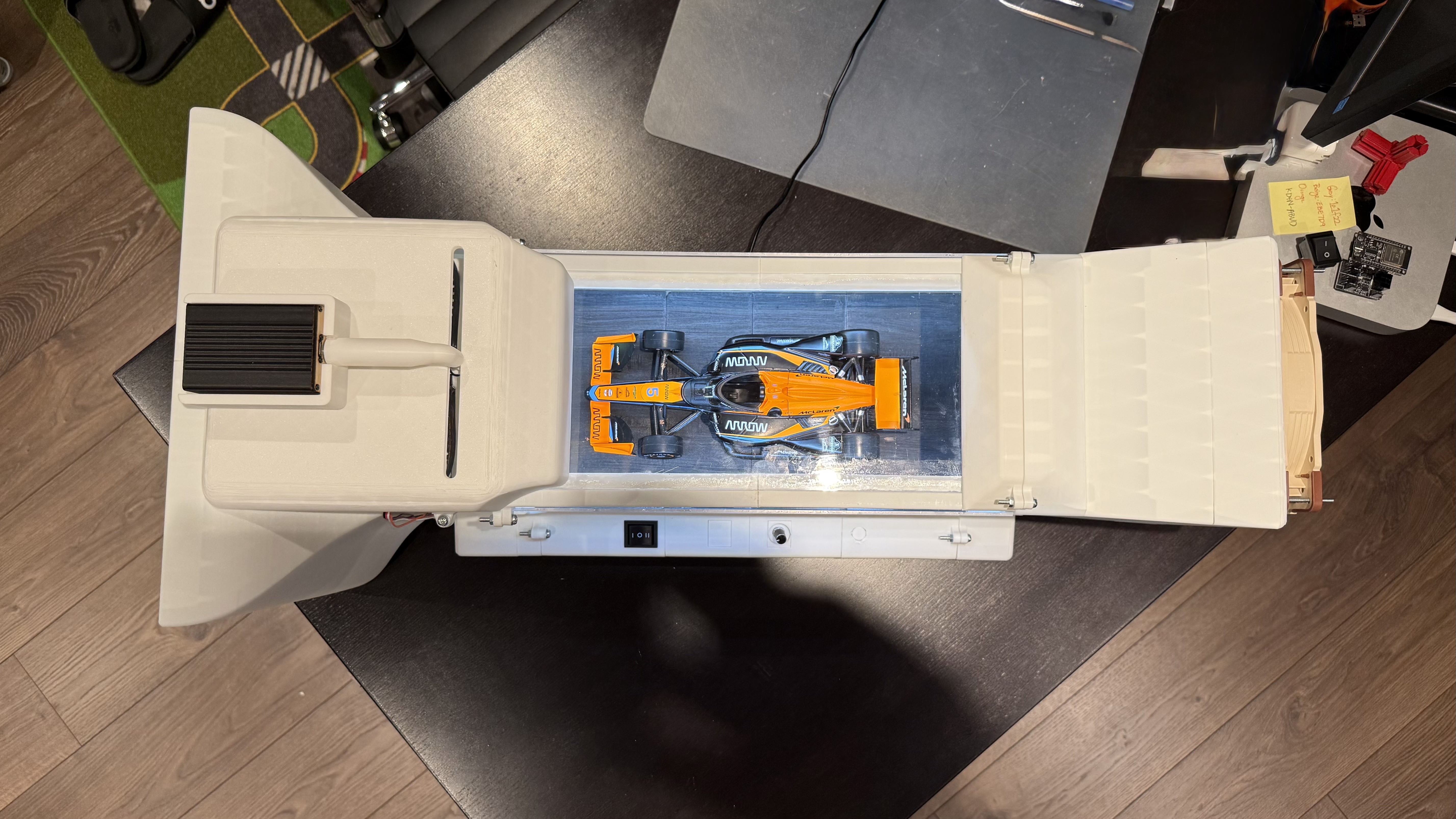
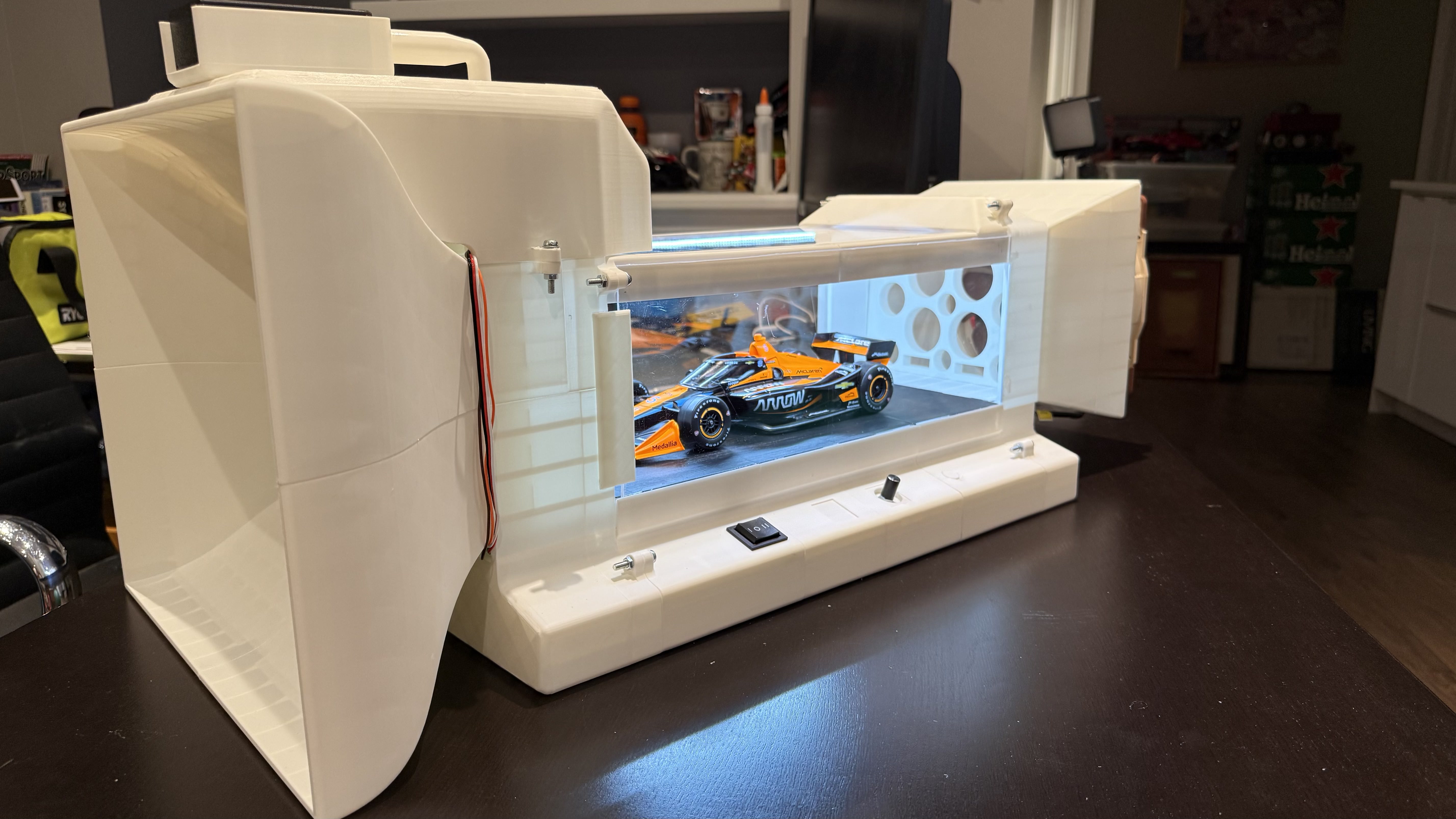
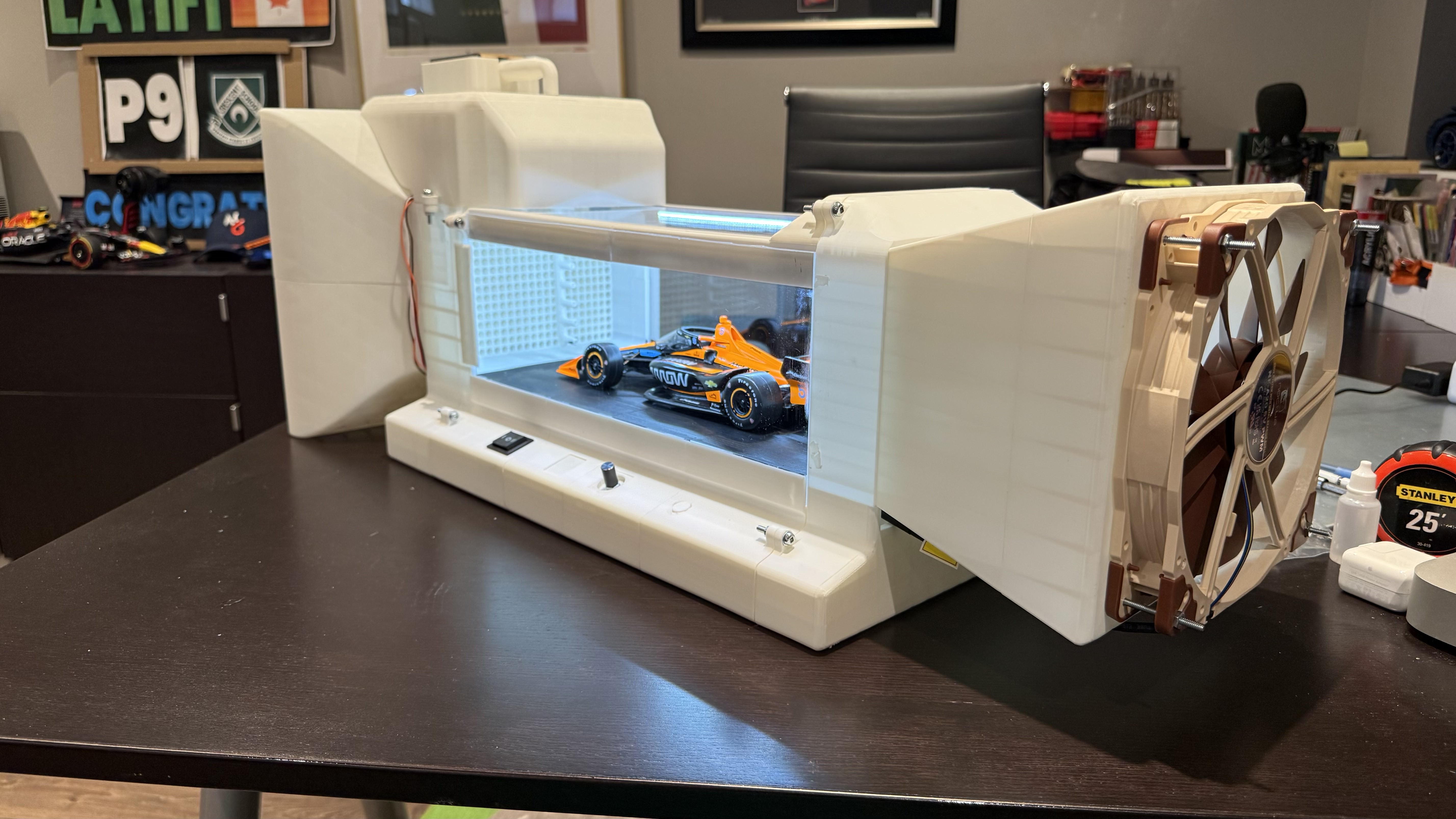
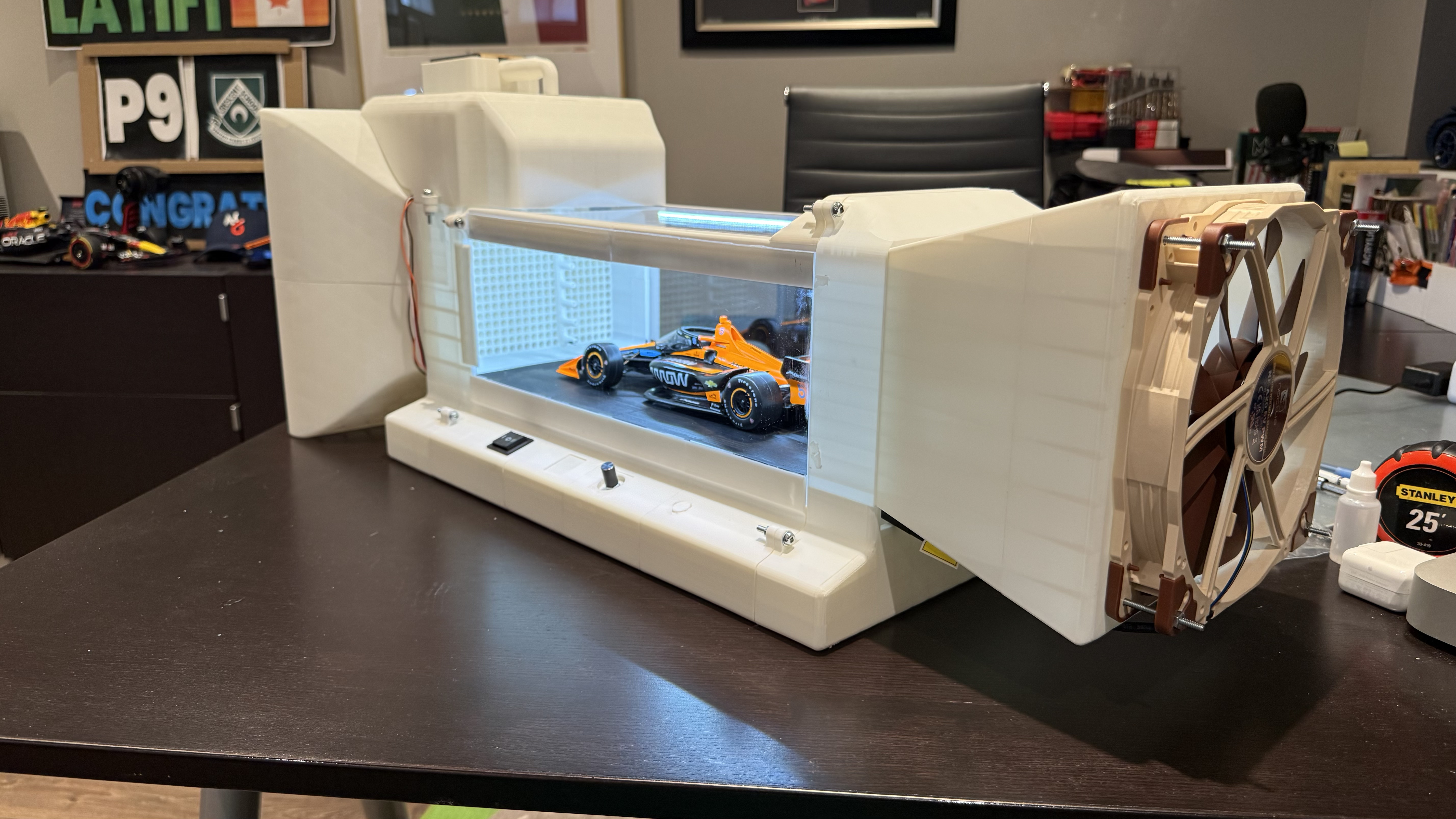
Completed Windtunnel

Completed windtunnel 1
Wind Tunnel Side View
Completed windtunnel 2
Wind Tunnel Top View
Completed windtunnel 3
Wind Tunnel Front Right
Completed windtunnel 4
Wind Tunnel Back Right
Completed windtunnel 5
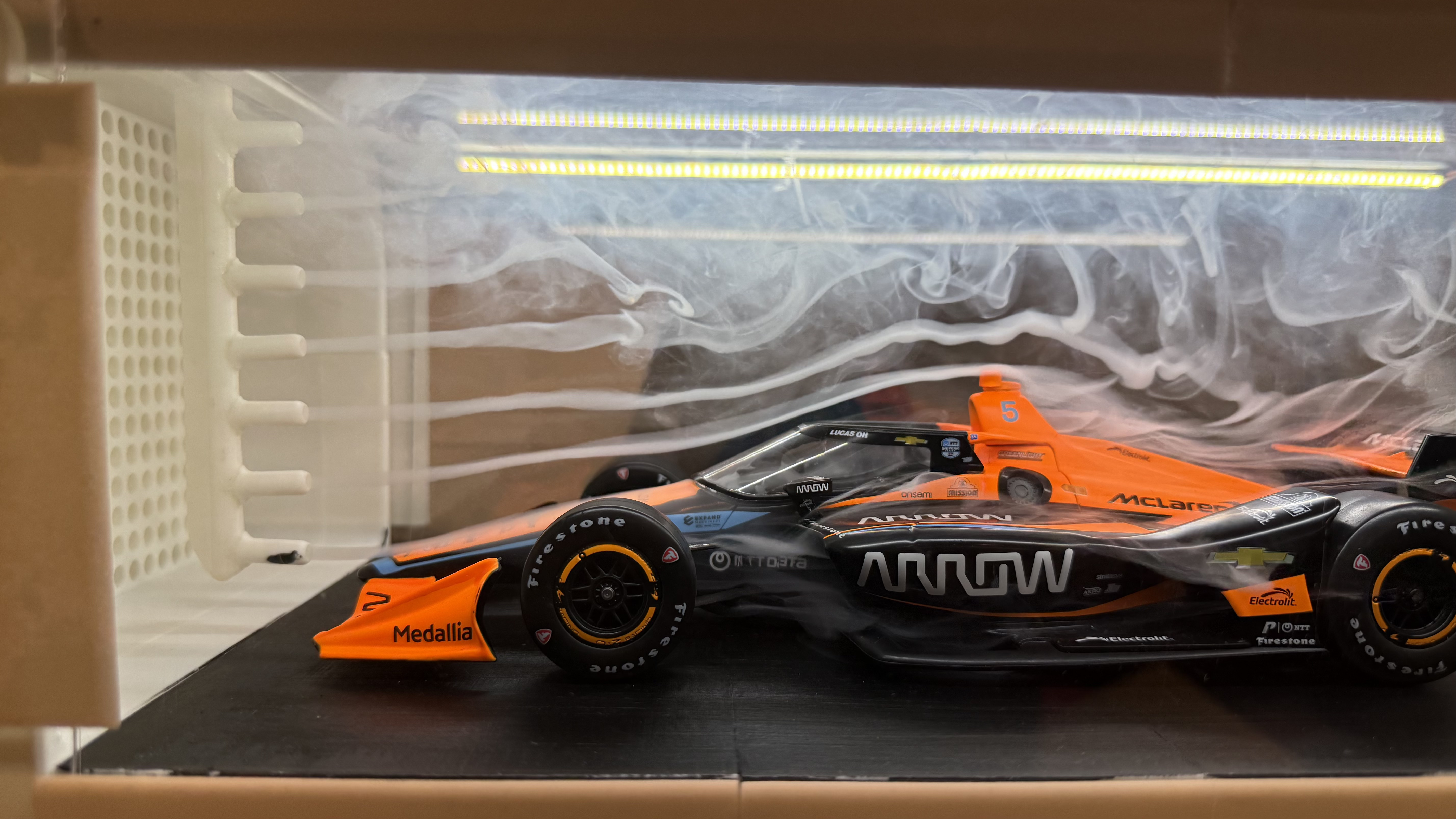
Low Speed Flow Far
Completed windtunnel 6
Low Speed Flow Near

Videos

High-Speed Run

Low-Speed Run

Smoke System Moving

Low-Speed Run Rear End

Flow Results

Mesh 1
Simple Hole Exit Mesh
Mesh 2
Coarse Exit Mesh
Mesh 3
Bottom Half Exit Mesh
Mesh 4
Final Exit Mesh

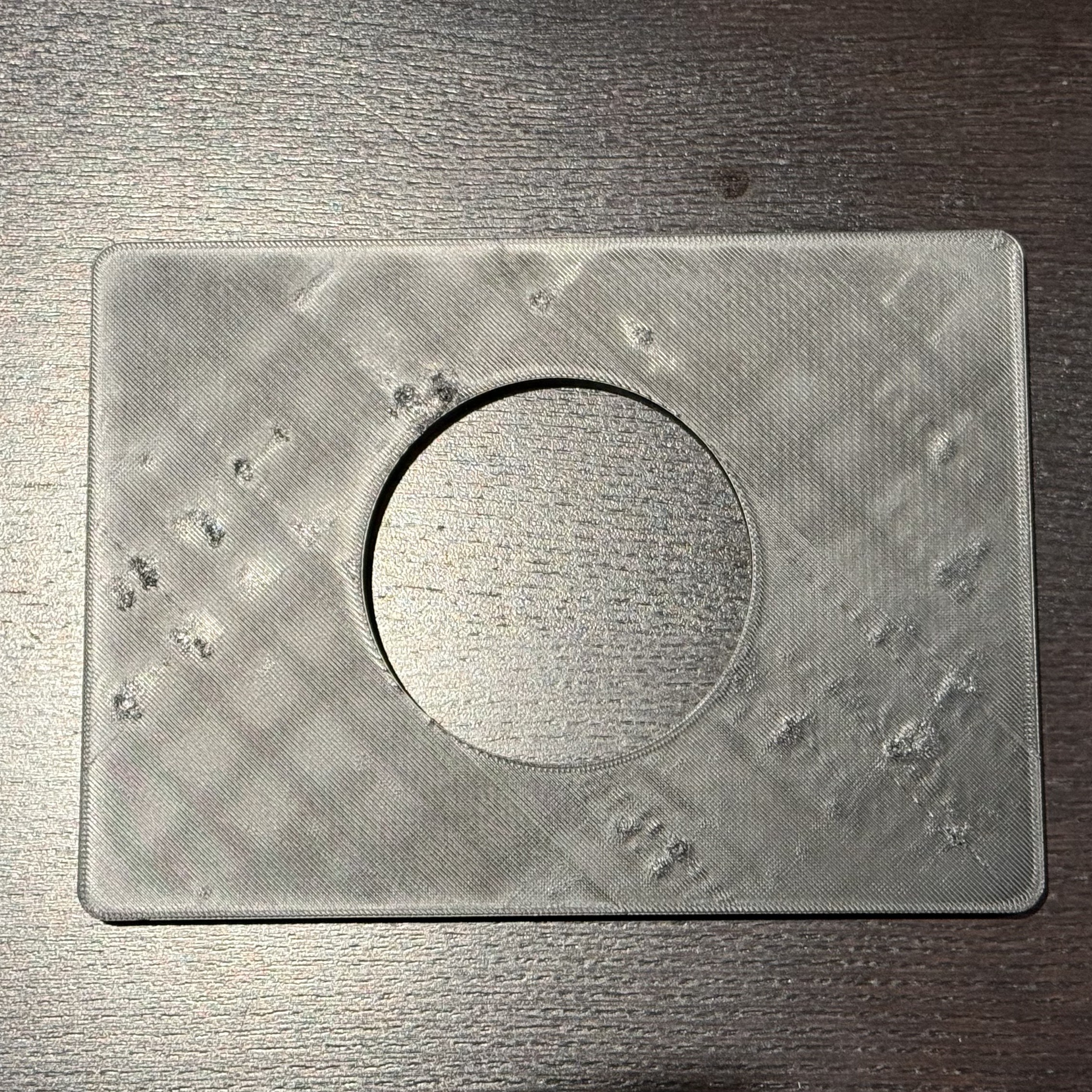
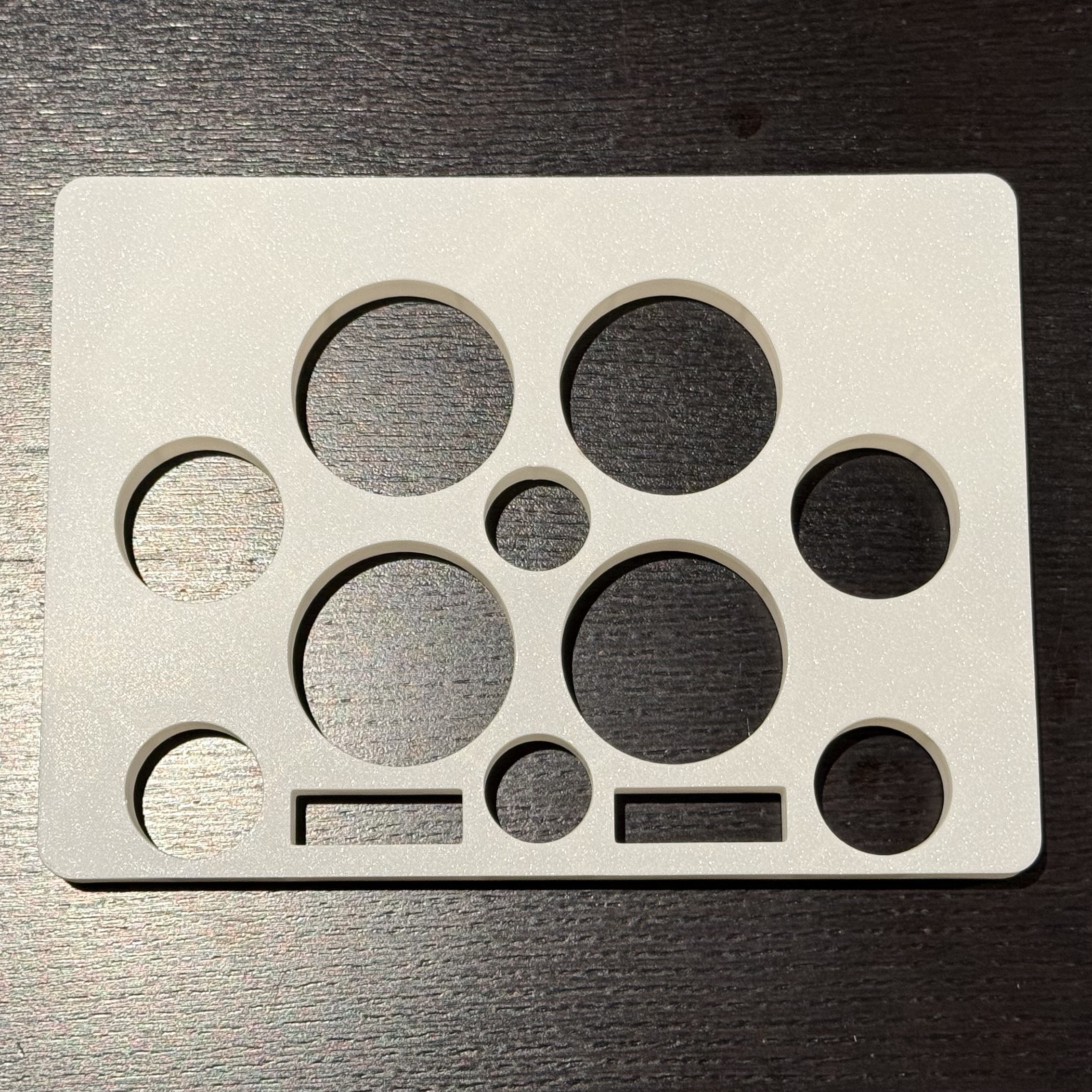
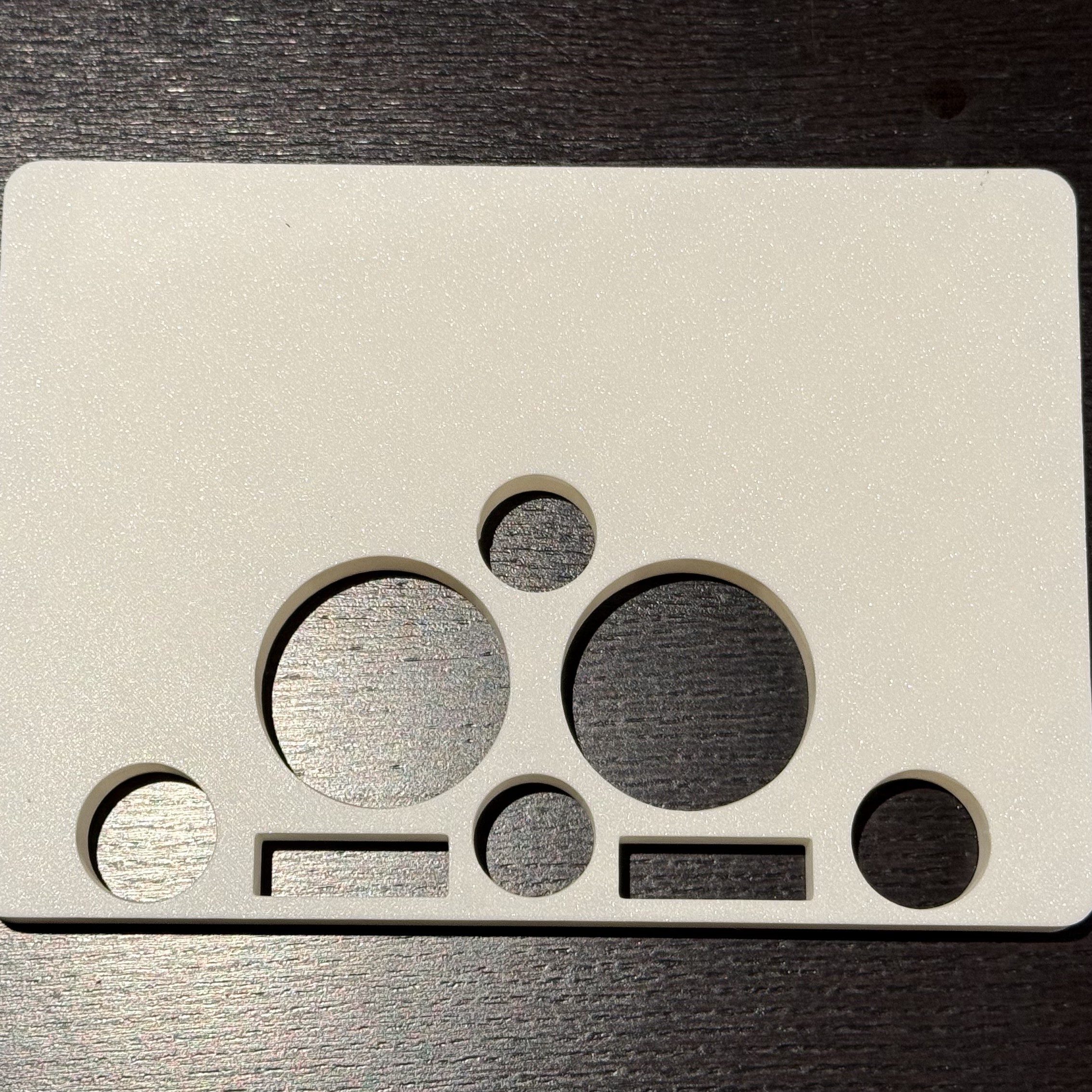
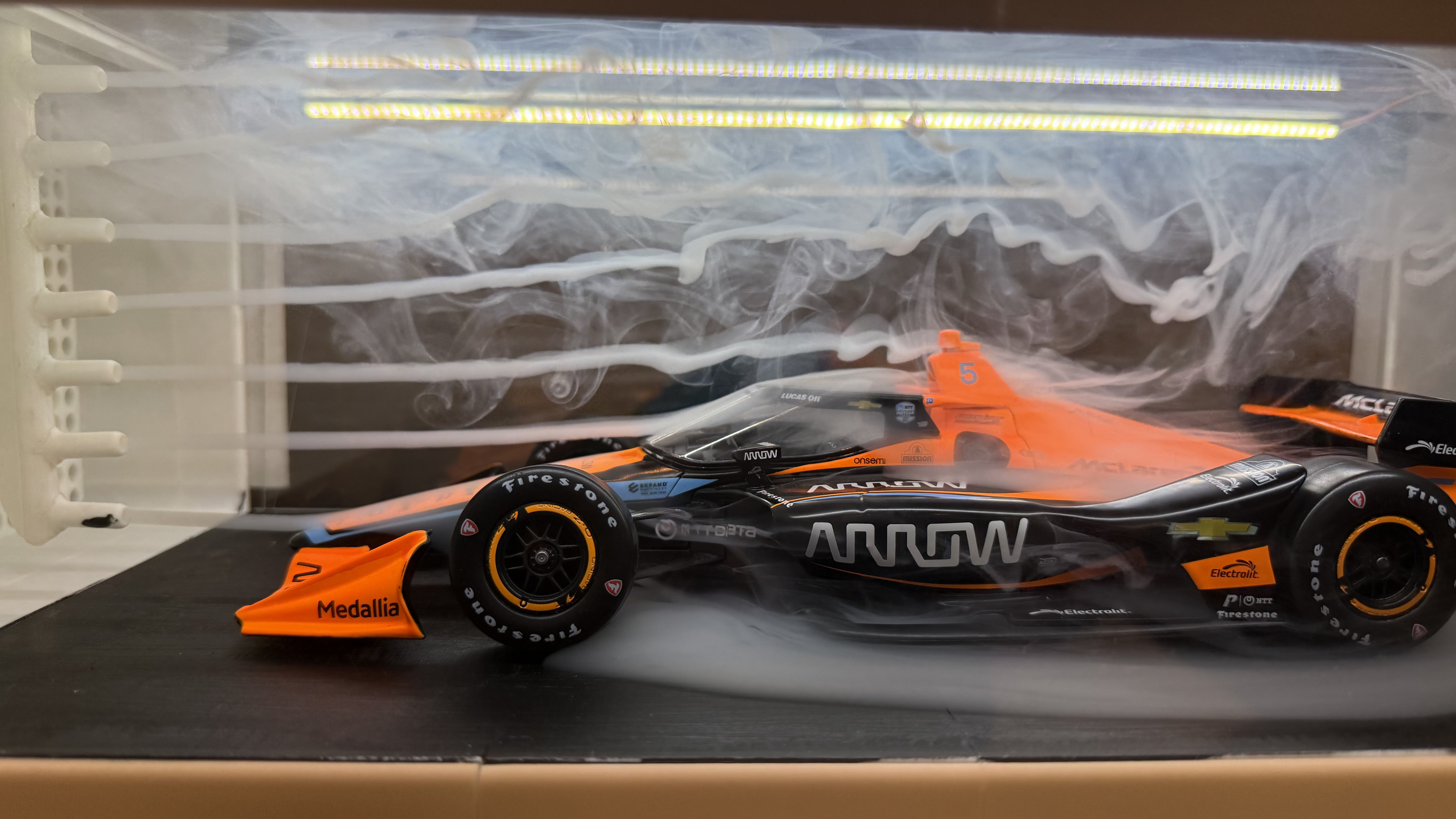
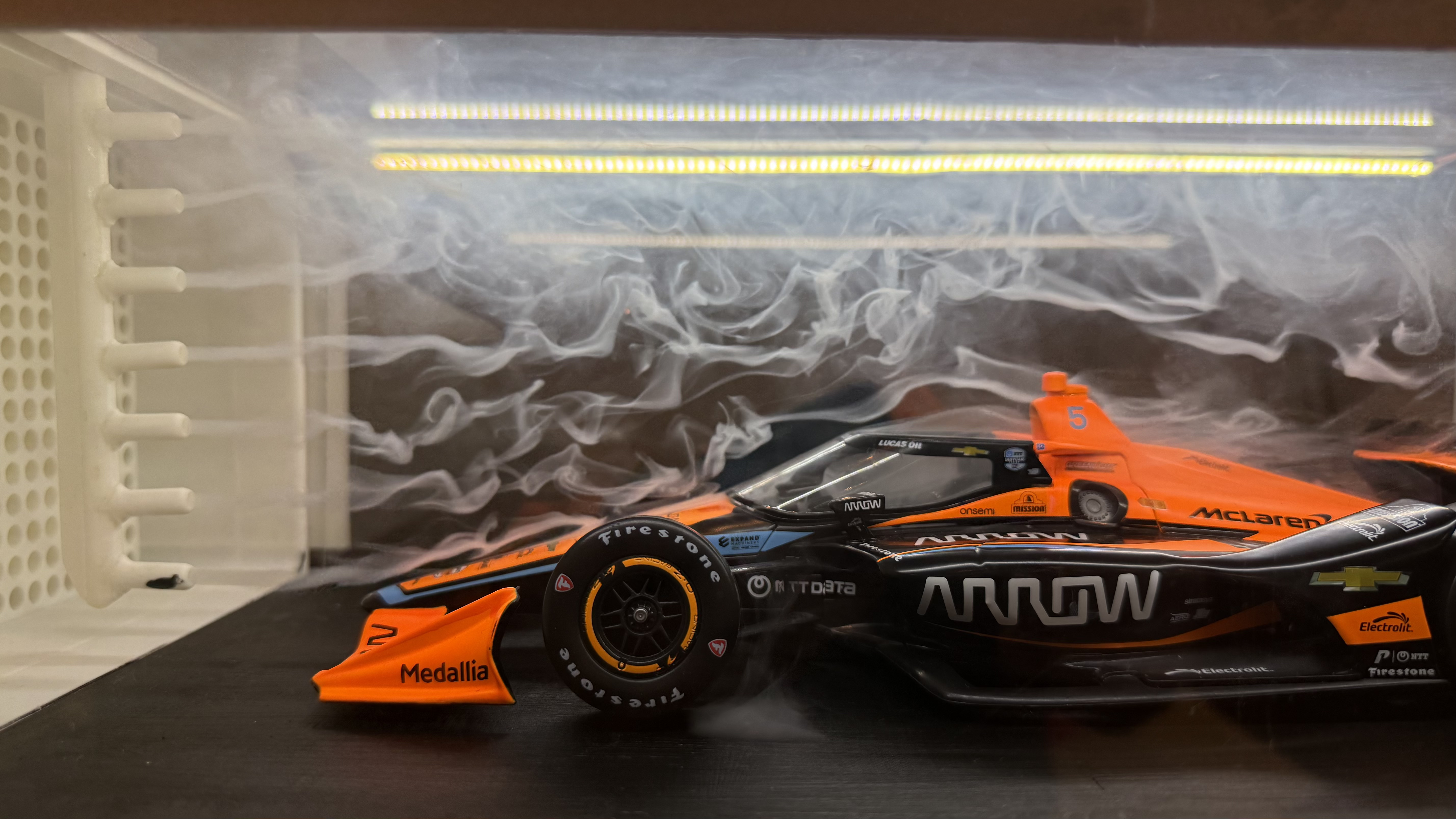
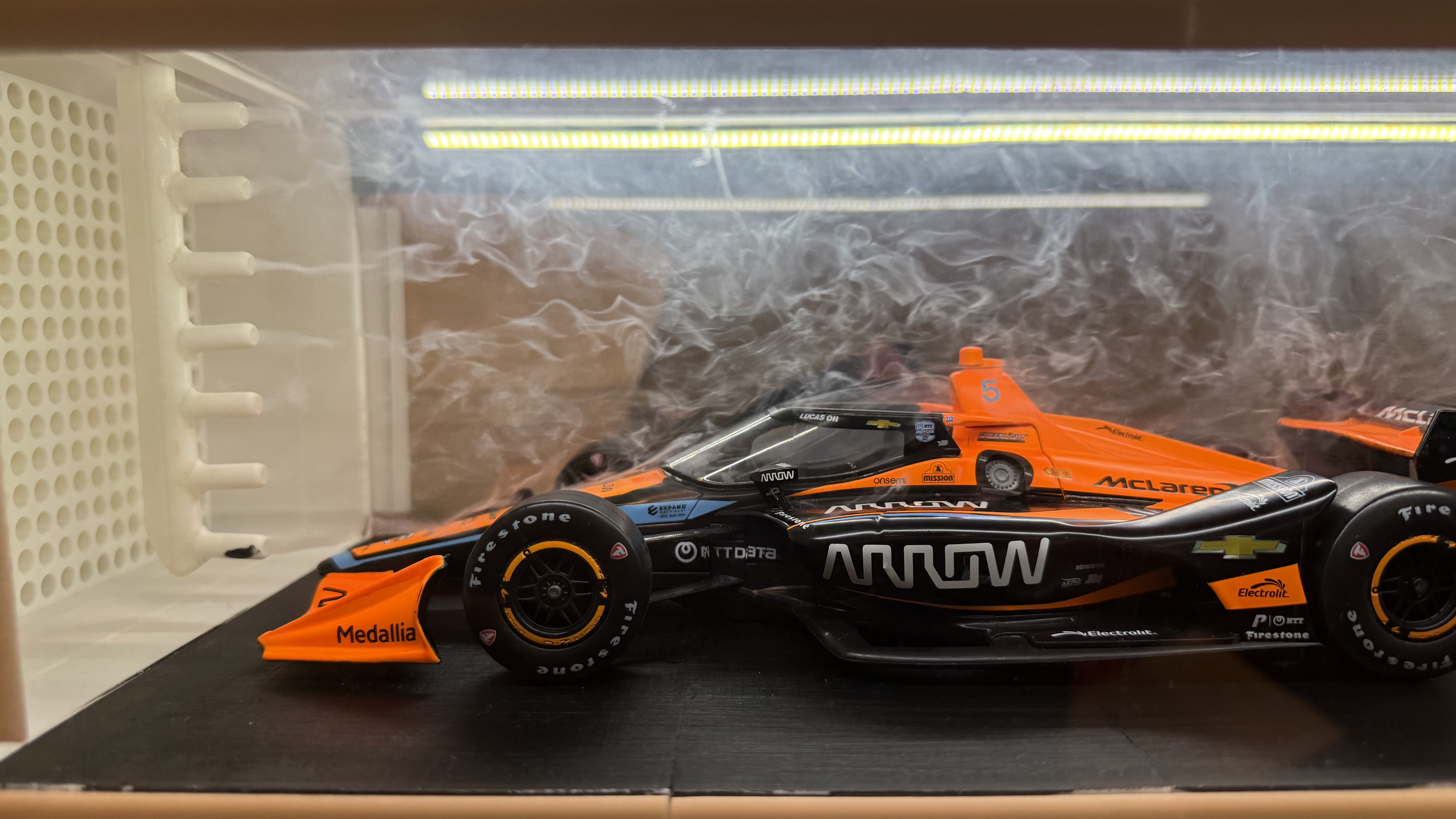
When testing the wind tunnel, I realized that the quality of the flow was changing based on what type of mesh I used in front of the exit. This whole process was detailed in the report, however, in short the fan creates massive vibrations in the air that leak into the chamber because of how close it is. To reduce this, having a mesh in front of it can help reduce this issue. The four images above are the different meshes that were tested and the eight images below are the results of each at low and high speed. In the end, I determined that it is best to have different meshes for various speeds. At low speeds a fine mesh allows for smoother airflow whereas at high speed a coarse mesh performs better.

Simple Hole Slow Speed
Flow result 2
Simple Hole High Speed
Flow result 3
Coarse Exit Slow Speed
Flow result 4
Coarse Exit High Speed
Flow result 5
Bottom Half Exit Slow Speed
Flow result 6
Bottom Half Exit High Speed
Flow result 7
Final Exit Slow Speed
Flow result 8
Final Exit High Speed